


The Perception Problem
Under-eye skincare has an image problem. It's viewed as optional. A luxury add-on for people with extra time or extra money. Something you do if you're fancy or if your under-eye situation is "bad enough" to warrant attention.
This perception is wrong. And it costs people thousands in corrective measures that could have been prevented with basic maintenance.
Here's the disconnect: your under-eye skin is structurally different from the rest of your face. It's thinner. It has fewer oil glands. It's more fragile. It ages faster. It's more prone to every under-eye concern — puffiness, dryness, fine lines, dark circles.
Yet most people treat it like an afterthought. If they get to it. If they have time.
This is the reframe. Under-eye skincare isn't a luxury. It's basic skin infrastructure. Your under-eye area needs targeted care not because it's nice to have, but because it's scientifically necessary.

Why Under-Eye Skin Is Different (And Why That Matters)
Your under-eye skin is approximately 0.5mm thick. The skin on the rest of your face is about 2mm thick. That's four times thinner.
This isn't a minor difference. This is fundamental. Thinner skin means less structural support. It means moisture escapes faster. It means irritants penetrate deeper. It means damage accumulates quicker.
Additionally, the under-eye area has fewer sebaceous glands (oil-producing glands). Your face can self-lubricate. Your eyes largely cannot. This makes the area naturally drier and more vulnerable to dehydration.
The under-eye area also lacks substantial underlying muscle. Most of your face has muscles that provide lift and support. The eye area is mostly bone and delicate tissue. There's nothing underneath holding things up as gravity pulls down over time.
This is why under-eye concerns develop first and fastest. Puffiness shows up under the eyes before your cheeks. Fine lines appear there first. Dark circles are an under-eye problem before they're a full-face problem. Not because you're unlucky. Because the eye area is structurally more vulnerable.
Understanding this changes how you approach skincare. It's not vanity to pay attention to your under-eye area. It's basic maintenance for a part of your face that needs it.
The Skin Barrier: Why Your Under-Eye Area Needs Support
Your skin barrier is the outermost layer of skin. It's your defense system. It keeps moisture in and irritants out. A healthy barrier is glowing, resilient, and resistant to problems. A damaged barrier is dry, reactive, and prone to everything from redness to accelerated aging.
Your under-eye barrier is thinner and more easily damaged than your facial barrier. This is why eye creams and targeted under-eye treatments aren't luxury products. They're barrier repair and maintenance tools.
When you use targeted under-eye skincare — especially products with barrier-supporting ingredients like ectoin — you're not being indulgent. You're doing preventative maintenance. You're keeping your barrier strong so it can do its job: protect your skin and keep it healthy.
A weakened under-eye barrier leads to dryness, sensitivity, puffiness, and accelerated visible aging. A strong barrier resists these problems. This is the difference between under-eye skincare being optional versus essential.
When to Start Under-Eye Skincare (Earlier Than You Think)

The perception is that you need under-eye skincare when problems show up. Dark circles? Then buy a dark-circle product. Fine lines? Then invest in an eye cream. Puffiness? Then get patches.
This is reactive skincare. And it's expensive.
Preventative skincare — starting targeted under-eye care before problems develop — is cheaper and more effective. You're not correcting damage. You're preventing it.
The honest answer: start supporting your under-eye skin now, whatever age you are. Not because you have visible concerns. Because your under-eye area is structurally vulnerable and benefits from support at every age.
This doesn't mean you need complicated routines. It means incorporating one targeted under-eye product into your existing routine. Something simple. Something consistent. That's enough to make a measurable difference over time.
Think of it like sunscreen. You don't wait until you have sun damage to start wearing sunscreen. You wear it now to prevent damage later. Same logic applies to under-eye skincare.
The Good Day Approach: Integrated Under-Eye Care
The concept of "Good Day" isn't just about eye patches or eye creams as standalone products. It's about positioning under-eye care as integrated into your full routine, not as an optional side quest.
Good Day is a 5-step system designed around the premise that your under-eye area deserves the same attention as your face, lips, and body. It's not "eye care or facial care." It's "eye care as part of integrated facial care."
This is the reframe that changes perception. When under-eye skincare is positioned as essential infrastructure rather than optional luxury, people use it. They see results. They maintain it. Baseline appearance improves.
Eye Pillow, a cornerstone of the Good Day system, is built on this logic. It's barrier-supporting ectoin for daily use. Not a rescue product. A maintenance product. Use it consistently, and your under-eye area builds resilience. Your barrier strengthens. Your eyes look healthier.
This is the evidence-based case for under-eye skincare being essential, not optional.

The Cost of Skipping Under-Eye Skincare
If you don't support your under-eye skin, what happens?
Dryness accumulates. Fine lines develop faster than they would with proper hydration. Puffiness becomes more common because your barrier isn't strong enough to resist fluid buildup. Dark circles become more pronounced because your skin isn't as resilient or luminous. Sensitivity increases. Everything shows up faster and lasts longer.
Then you're in reactive mode. You're buying corrective products. You're spending money trying to fix problems that preventative care could have minimized or delayed.
The math is simple: consistent preventative care is cheaper and more effective than reactive correction.
This is why positioning under-eye skincare as essential makes financial sense, not just aesthetic sense.
Under-Eye Skincare as Part of Your Baseline Routine
The practical question: how much time does under-eye skincare actually take?
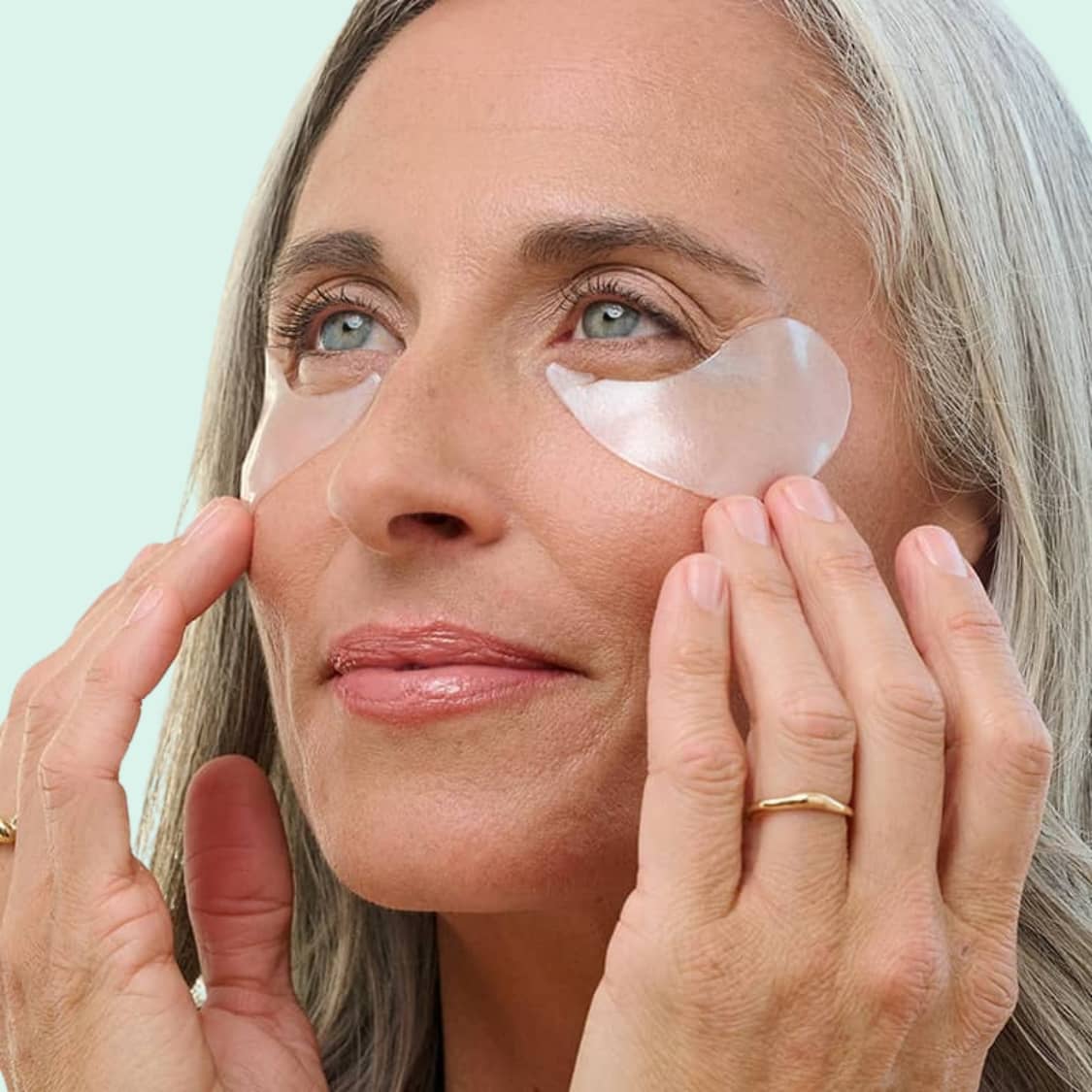
Using one product (like Eye Pillow twice a day) adds 30 seconds to your routine. That's it. Tap it around your under-eyes and eye lid. And move on.
This isn't a time commitment. This is basic maintenance that takes less time than brushing your teeth.
The barrier-building benefits compound over weeks and months. Your skin gets stronger. Your eyes look better. Your baseline improves.
This is why under-eye skincare belongs in every routine. Not because it's luxury. Because it's efficient, affordable maintenance for a part of your face that needs it.
The Science of Aging in the Under-Eye Area
Under-eye skin ages faster than the rest of your face for specific, measurable reasons:
Thinner skin: Less structural support means gravity and movement create lines faster.
Fewer oil glands: Natural lubrication is limited, making the area prone to dryness and sensitivity.
Constant movement: The eye area moves thousands of times per day (blinking, expressions). This repeated movement creates fine lines if the skin isn't well-hydrated and supported. As Women's Health notes on under-eye aging, "The delicate skin around the eyes is thinner than elsewhere on the face, making it more susceptible to environmental damage and visible signs of aging." This structural vulnerability is why preventative under-eye care makes such a measurable difference. Read more at Women's Health about this under-eye aging science.
Thinner dermis: The layer below the surface that provides collagen and elasticity is thinner under the eyes. Collagen breaks down faster here than elsewhere.
Higher sensitivity: This area reacts more strongly to irritants, allergens, and environmental stressors.
Building Your Under-Eye Skincare Foundation
Start with one product. Not a complicated system. One thing that addresses your primary concern and supports your barrier.
For hydration and barrier support: Eye Pillow daily.
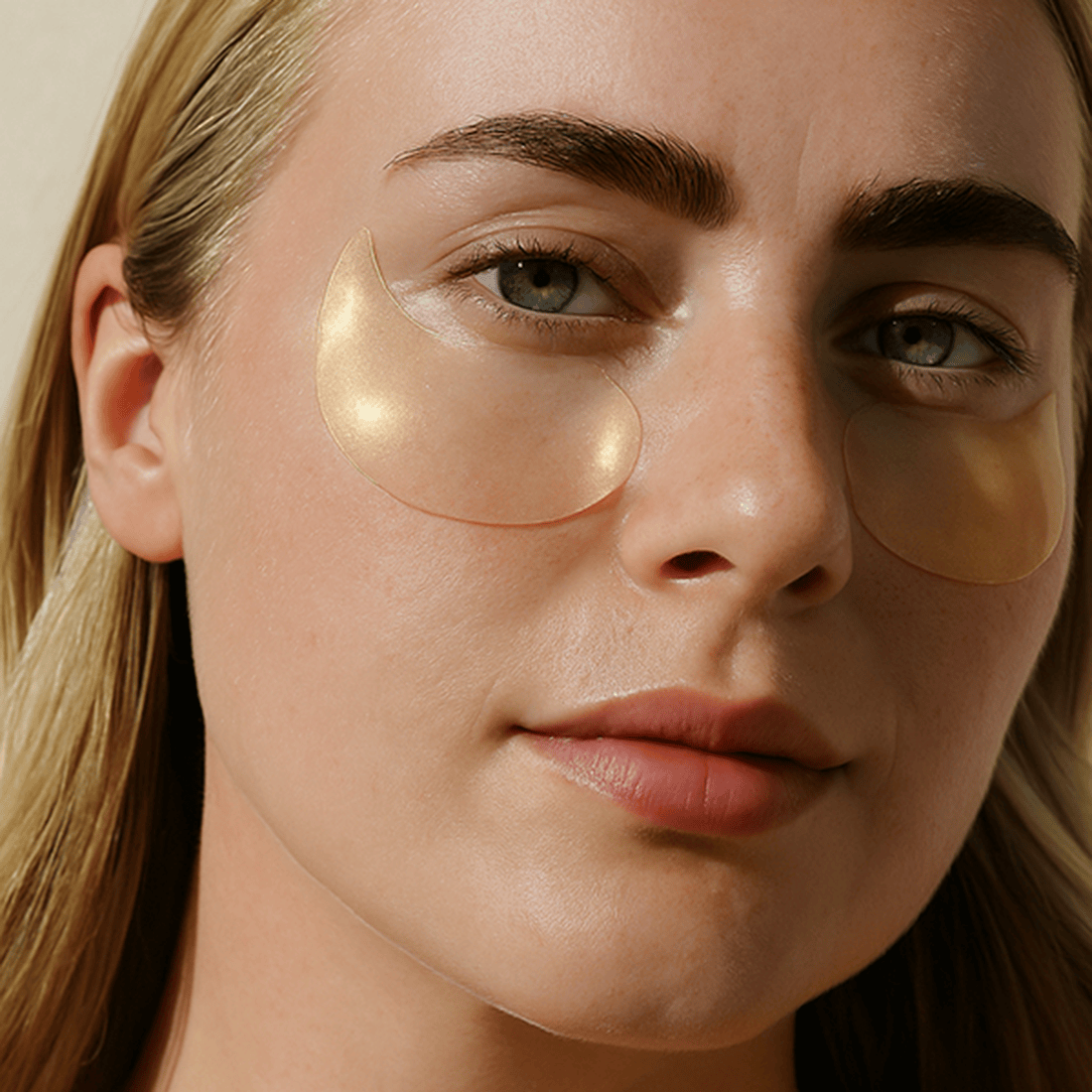
For quick depuffing moments: Cool Crush or Rejuvenating Eye Gels as needed.
For anti-dark-circle support: Products with niacinamide or vitamin C, used consistently.
The pattern that matters: consistency over complexity. Using one product daily beats using five products sporadically.
After establishing this baseline, you can layer in additional support if needed. But the foundation is one product, used consistently, that your skin responds well to.
This is how you shift from viewing under-eye skincare as optional to viewing it as infrastructure.
The Reframe: Essential, Not Optional
Under-eye skincare has been marketed as a luxury for too long. The reality is anatomical. Your under-eye skin is different. It's more vulnerable. It ages faster. It needs support.
This isn't vanity. This is biology.
Positioning under-eye skincare as essential means:
- Using it preventively, not reactively
- Choosing consistency over complexity
- Viewing it as maintenance, not correction
- Starting now, not when problems show up
When you reframe under-eye skincare this way, the decision becomes easy. It's not "do I have the budget for this luxury product?" It's "how do I support a structurally vulnerable part of my face with one simple product?"
The answer is: you do. You find the time. You use it daily. You see results over weeks and months. Your baseline improves.
This is the final shift in perception that changes everything.