


Summer has a way of changing skin that even a solid routine cannot always keep up with. If your skin starts looking shinier by midday, feeling heavier in the morning, or behaving in ways it simply did not in cooler months, you are not imagining it, and you have not suddenly developed a new skin type.
What is actually happening is more mechanical than that. Heat, humidity, sun exposure, and lifestyle shifts that come with summer all place different demands on skin than it faces in winter. Understanding the specific reasons behind the change makes it much easier to respond with the right products rather than just adding more of what already was not working.

Why Skin Gets Oilier in Summer
Heat Increases Sebum Production
Sebaceous glands, the structures responsible for producing the skin's natural oil, are sensitive to temperature. As ambient temperature rises, these glands become more active and produce sebum at a faster rate. This is a normal physiological response — the skin is attempting to protect itself from heat and environmental exposure. The result is skin that looks shinier faster, feels more congested, and is more prone to clogged pores than it was a few months ago.
This is why oiliness in summer is not a skin type problem. It is a seasonal response that nearly every skin type experiences to some degree, including skin that is typically dry or combination.
Humidity Changes How Oil Sits on Skin
In low-humidity environments, sebum spreads more thinly and evaporates more readily. In high summer humidity, it stays on the surface longer and mixes with sweat, creating a heavier, stickier texture that makes pores appear more visible and skin look less refined. The skin has not changed — the environment it is sitting in has.
Sunscreen and Summer Products Layer Differently
Summer routines typically include heavier SPF products, more hydrating layers, and more frequent reapplication throughout the day. This is the right approach for sun protection, but it also means more product is sitting on the skin in warm weather, where it breaks down and mixes with sebum faster than it would in cooler conditions. What felt like a balanced routine in March can feel congesting by June.
Over-Cleansing Makes It Worse
One of the most common summer skincare mistakes is responding to increased oiliness by cleansing more aggressively or more frequently. Stripping the skin of its natural oil signals the sebaceous glands to compensate by producing more. The result is the opposite of what most people are going for — skin that is both stripped and overly oily within hours.
The more effective approach is to support the skin's balance rather than fight it. That means consistent, gentle cleansing paired with a clarifying mask once or twice weekly to manage buildup without disrupting the barrier.
The SmartMud Detox Mud Face Sheet Mask uses mineral-rich volcanic ash, which supports the appearance of clearer, more balanced skin by drawing out surface impurities and helping minimize the look of pores, in a no-mess sheet format that makes it easy to maintain a consistent once-weekly clarifying routine without the cleanup of a traditional mud mask. It works with the skin's natural process rather than stripping it, which is the key distinction in warm weather.
Pro tip: Before a long flight, use the SmartMud Detox Mud Mask to help clear pores before cabin air and recycled pressure do their damage. After you land, follow with the FlashMasque Hydrate to replenish the moisture your skin lost in transit. Five minutes each — the easiest pre- and post-flight routine you will actually do.

Why Skin Gets Puffier in Summer
Heat Causes Blood Vessels to Dilate
When temperatures rise, the body responds by dilating blood vessels near the skin's surface to release heat. This vascular expansion can increase fluid movement and retention in facial tissue, which shows up as visible puffiness — particularly around the cheeks, jawline, and under-eye area. This is why skin often looks its puffiest after time outside in the sun or after a warm night with poor air circulation.
Salt, Dehydration, and Summer Eating Patterns
Summer social life tends to involve more alcohol, more sodium-heavy food, more late nights, and less consistent hydration. Each of these independently contributes to water retention in facial tissue. Collectively, they can produce noticeable morning puffiness that feels out of proportion to what people are used to seeing in cooler months.
Disrupted Sleep in Warmer Temperatures
Sleep quality tends to drop when temperatures are high, and the lymphatic system — which is largely responsible for clearing fluid buildup from facial tissue overnight — does most of its work during deep sleep. Shallower, more interrupted sleep in summer means less overnight drainage, which translates directly to more morning puffiness.
Allergies and Sun Exposure
Seasonal allergies do not stop in summer. For many people, they shift from pollen to grass, mold, and other warm-weather triggers. Histamine responses to allergens cause visible inflammation in facial tissue, particularly around the eyes and upper cheeks. Sun exposure adds to this; UV-related inflammation can cause skin to look swollen and reactive even hours after being outside.
As Healthline notes in their guide to facial swelling causes and management, heat-related fluid changes and allergic responses are among the most common triggers of temporary facial puffiness, and cooling is one of the most effective first-response strategies.

The Summer Skin Strategy: Clarify, Cool, Rebalance
The mistake most people make in summer is treating oiliness and puffiness as separate problems that need separate routines. They are usually two expressions of the same underlying imbalance: skin that is overheated, slightly congested, and reacting to its environment. The right approach addresses both simultaneously.
Clarify once weekly to manage oil and buildup without over-stripping. This keeps pores looking cleaner and reduces the heaviness that comes from product and sebum accumulation in heat.
Cool consistently to support the appearance of reduced puffiness and help skin look more refreshed. Cooling is not just a sensory benefit; chilled skincare applied to warm, dilated skin creates a tightening, calming effect that directly counters the vascular response to heat.
Rebalance hydration rather than removing it. Dehydrated skin in summer overproduces oil as a compensatory response. Keeping skin adequately hydrated with lightweight, non-occlusive formats reduces that compensatory sebum spike and helps the skin find its equilibrium faster.
Pro tip: Store your cooling masks and eye patches in the fridge year-round, but especially in summer. The temperature differential between a chilled hydrogel mask and warm, sun-exposed skin amplifies the depuffing and calming effect significantly. It takes thirty seconds of extra thought in the morning and makes a noticeable difference in how quickly skin settles.
The Ingredients That Help Most in Summer
The Ingredients That Help Most in Summer
Volcanic Ash — Clarifying Without Stripping
Volcanic ash is a natural mineral ingredient that helps absorb excess surface oil and draw out impurities that accumulate in pores. It supports the appearance of a cleaner, more refined complexion without the drying effect of harsher clarifying agents like sulfur or high-concentration salicylic acid. This makes it particularly well-suited for summer, when skin needs clarifying support but the barrier is already under environmental stress from heat and UV exposure.
Caffeine — Depuffing and Circulation Support
Caffeine is one of the most reliable ingredients for supporting the appearance of depuffed, more awake-looking skin. Applied topically, it helps temporarily reduce the look of swelling and supports surface circulation, which is particularly effective against the heat-induced vascular puffiness that makes faces look heavier in summer. It works quickly, which is why it belongs in a morning routine rather than an evening one.
Peptides — Smoothing and Structural Support
Peptides support the skin's natural structural proteins, which contributes to the appearance of firmer, more even-looking skin over time. In a summer context, where heat and fluid retention can make skin look less defined around the jawline and cheeks, peptides help maintain a more sculpted-looking surface. They are a longer-game ingredient — consistent use through summer delivers more noticeable results than occasional application.
Cucumber Extract — Soothing Heat-Stressed Skin
Cucumber extract supports a calm, balanced complexion by helping counteract the visible effects of heat and environmental exposure. It pairs naturally with cooling formats because it reinforces the calming effect at an ingredient level rather than just a temperature level. Skin that has been in the sun, spent time in air conditioning, or simply run warm from a full day benefits from this kind of soothing support.
Arnica Extract — Calming Visible Inflammation
Arnica is traditionally associated with reducing the appearance of swelling and soothing reactive skin. In summer skincare, it addresses the visible inflammation component of puffiness — the kind that comes from UV exposure, allergens, or a warm night of poor sleep — rather than just the fluid component. This makes it a meaningful partner to caffeine in a depuffing formula, addressing two different causes of the same visible outcome.
Hyaluronic Acid — Lightweight Hydration That Does Not Clog
Hyaluronic acid supports the skin's ability to hold water at the surface level, contributing to a plumper, more comfortable complexion appearance without the occlusive weight of heavier oils or butters. In summer, this matters because it delivers the hydration needed to prevent compensatory oil production while staying light enough not to contribute to congestion. It is the reason a hydrating face mask can actually help oily summer skin rather than make it worse, as long as the format is lightweight and non-comedogenic.
The Rosé Angle: Why Hydration Still Matters for Oily Summer Skin
This is the part that surprises most people. Oily skin in summer still needs hydration — it often needs more of it than in winter, because heat accelerates transepidermal water loss even as sebum production increases. Skin can be simultaneously oily on the surface and dehydrated underneath, which is one of the more frustrating combinations summer produces.
The Rosé Hydrating Face Sheet Mask addresses this directly — a lightweight, hyaluronic acid-forward sheet mask that replenishes surface hydration without adding weight or contributing to congestion. Use it on the days between clarifying sessions to keep the skin's moisture balance steady. Hydrated skin that is not overcompensating with sebum is skin that stays more balanced throughout the day.
As Byrdie notes in their guide to summer skincare routines, one of the most consistent expert recommendations for managing oily summer skin is maintaining lightweight hydration rather than removing it — the dehydration-sebum cycle is one of the most common causes of worsening oiliness across summer months.
Building a Summer Rebalancing Routine
The most effective summer routine is not the most complicated one. It is the most consistent one. A few anchor moments per week, built around the right formats, will do more than an elaborate daily protocol that gets skipped.
Monday and Thursday: SmartMud once weekly (or twice if congestion is high) for clarifying support. Apply after cleansing, leave for the recommended time, rinse.
Tuesday and Friday mornings: Cool Crush Eye Patches or face mask on days when skin looks puffy, warm, or heavy. Store chilled for best results.
Daily or every other day: Lightweight hydrating mask or serum to maintain moisture balance and prevent the dehydration-sebum cycle from taking hold.
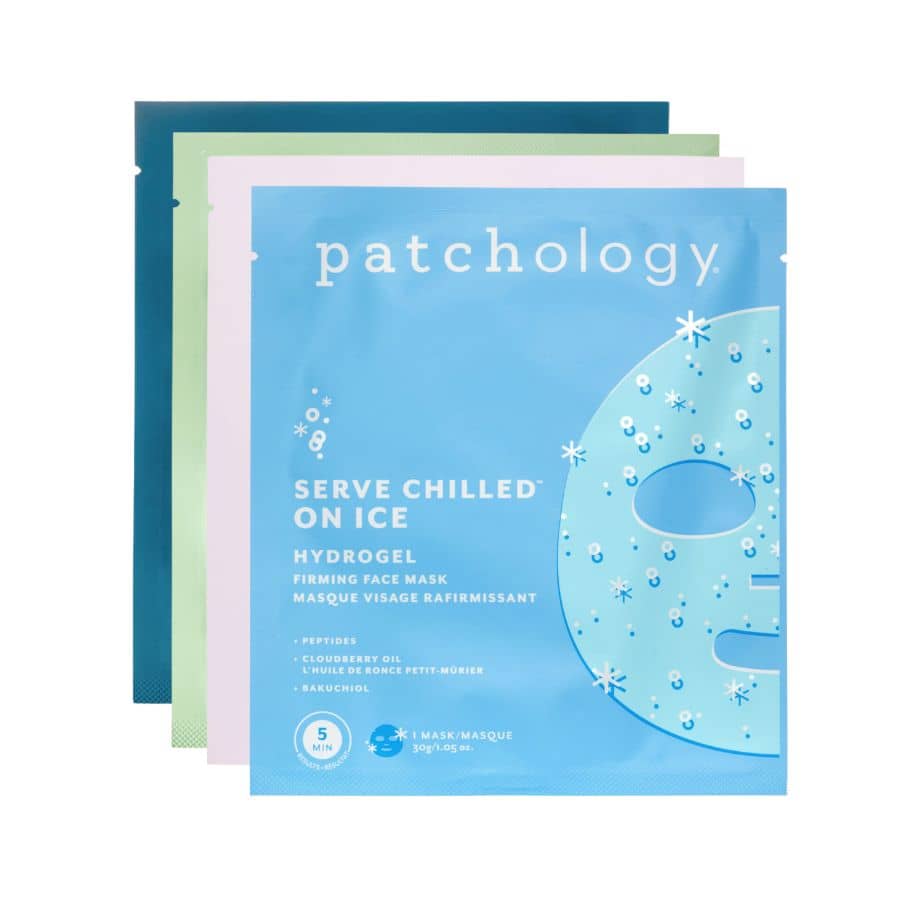
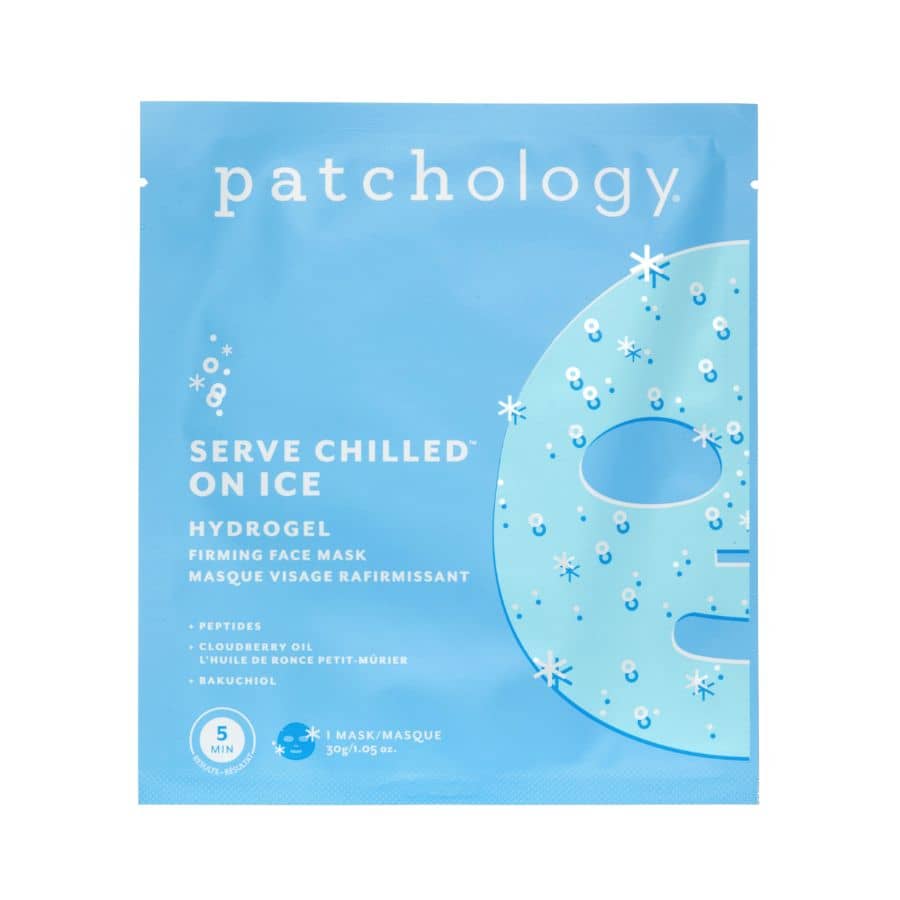
As needed: On Ice Hydrogel Face Mask on particularly warm days, post-sun exposure, or any morning when skin looks and feels like it needs a full-face reset rather than just targeted treatment.
Shop the Summer Rebalancing Routine
Clarify, cool, and rebalance — the targeted formats that work with your skin, not against it.
Clarify + Detox
SmartMud Detox Mud Face Sheet Mask
Mineral-rich volcanic ash in a no-mess sheet format. Helps support the appearance of cleaner, more balanced skin once or twice weekly without over-stripping.
Shop SmartMud →Depuff + Cool
Cool Crush Extra-Depuffing Hydrogel Face Mask
Caffeine, peptides, cucumber, and arnica in a cooling hydrogel format. Best used chilled on mornings when skin looks puffy, warm, or overheated.
Shop Cool Crush Face Mask →Calm + Soothe Eyes
Chill Mode Soothing Under-Eye Gels
A calming under-eye treatment for skin that feels reactive, warm, or stressed. Lightweight gel that helps the eye area look less irritated and more settled.
Shop Eye Gels →Cool + Firm
On Ice Hydrogel Facial Sheet Mask
A full-face cooling and firming reset. Reach for this on post-sun days or any morning when skin needs a complete rebalance rather than targeted treatment.
Shop On Ice →Hydrate + Balance
Rosé Hydrating Face Sheet Mask
Hyaluronic acid-forward hydration in a lightweight sheet format. Replenishes moisture balance between clarifying sessions without adding congestion.
Shop Rosé Mask →Face + Eyes Bundle
Cool Crush Bundle
The face mask and eye patches together — the easiest way to cover both concerns in one step. Store chilled and use together on mornings when skin needs a full reset.
Shop the Bundle →The Bottom Line
Summer skin is not broken skin. It is skin responding logically to a changed environment; more heat, more humidity, more sun, more disruption to the patterns that kept it balanced through cooler months. The goal is not to fight that response but to work with it: clarify what has built up, cool what has become inflamed, and hydrate what has dried out underneath the surface oiliness.
Those three things together, done consistently, not aggressively, are what keep skin looking clear, calm, and refreshed through the hottest months of the year.