


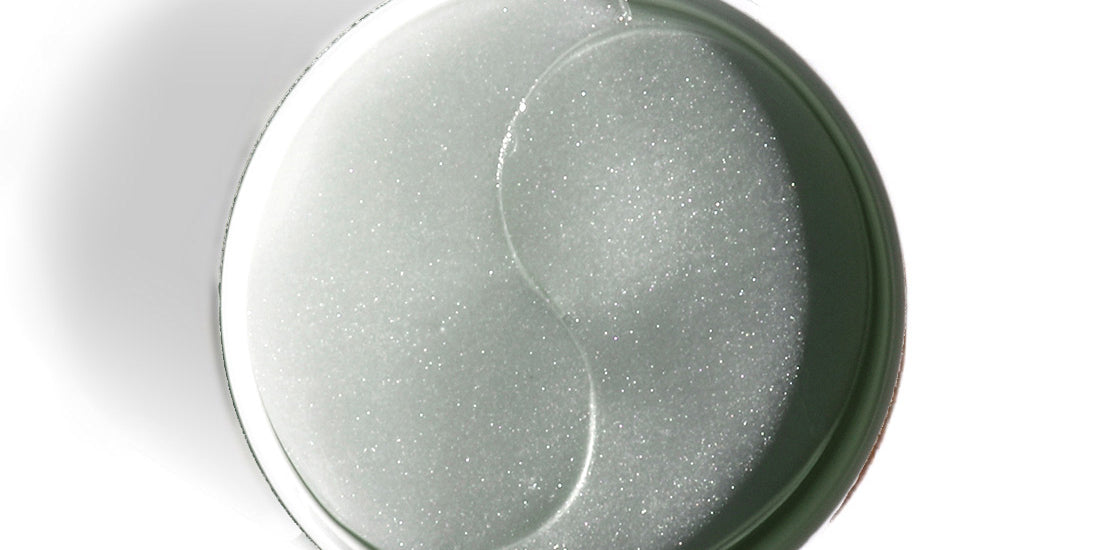


The Depuffing Confusion: Why Your Eye Patch Isn't Doing What You Think
Walk into any skincare conversation about puffiness, and you'll hear the same advice over and over: use a cooling patch, get some caffeine, try hydrogel. But nobody explains why these three work so differently, which one actually works fastest, or which one actually lasts.
This is the gap. Competitors lump depuffing together like it's all the same mechanism. But it's not. Caffeine, ectoin, and cooling patches are three completely different approaches to the same problem, and they work on completely different timelines.
One might give you a 5-minute reset before an event. Another is building barrier strength over weeks. A third is using physics (temperature) to shrink swelling. Understanding the difference isn't academic. It changes which product you reach for, when you use it, and what to realistically expect.
This is what separates Patchology from everyone else. We don't just tell you to use patches. We explain how they work, why they work, and which method matches your actual goal.
The Depuffing Method Comparison: Speed, Duration, and Mechanism
 Here's the breakdown that competitors miss. Each depuffing method works on a different principle, operates on a different timeline, and lasts for a different duration. Understanding the difference is how you pick the right tool for the moment.
| Method | How It Works | Speed | Duration | Best Use Case |
|---|---|---|---|---|
| Caffeine | Chemical vasoconstriction (narrows blood vessels to reduce fluid) | 15–30 min | 4–8 hours | Before events, morning makeup prep, severe puffiness |
| Ectoin | Supports moisture retention and barrier function (structural rebuilding) | 1–2 weeks | Ongoing (cumulative) | Daily routine anchor, long-term puffiness reduction |
| Cooling Patches | Temperature-based vasoconstriction plus evaporative cooling and hydration | 5–10 min | 2–4 hours | Fastest reset, morning urgency, immediate feedback |
The insight: Caffeine and cooling both work via vasoconstriction (shrinking blood vessels), but cooling is faster. Ectoin doesn't shrink puffiness. It prevents it by building a healthier barrier. These three methods aren't competing. They're solving different problems on different timelines.
How Caffeine Actually Reduces Puffiness (The Science)
Caffeine is a vasoconstrictor. That's the clinical way of saying it makes blood vessels temporarily smaller.
Your eyes puff up when fluid accumulates in the under-eye area. This happens for a dozen reasons: you didn't sleep, you cried, you're retaining water, it's humid outside, you're stressed. Whatever the cause, the under-eye tissue fills with excess fluid, and the delicate skin there stretches, making you look tired.
Caffeine works by constricting the blood vessels in that area. Smaller blood vessels mean less fluid can move into the tissue. The puffiness visibly decreases. This is the fastest mechanism in the depuffing arsenal. According to peer-reviewed research on topical caffeine and skin permeability published in the Journal of Cosmetic Dermatology, caffeine can show visible results within 15-30 minutes.
The catch: this effect is temporary. Caffeine isn't fixing the underlying issue. It's managing the symptom. Once the caffeine wears off or is absorbed, blood vessels relax back to normal size, and fluid can accumulate again. That's why caffeine patches like Rejuvenating Eye Gels are perfect for immediate fixes (before an event, before makeup, before a photo) but not a long-term solution.
Timeline: 15-30 minutes for visible reduction. Lasts 4-8 hours depending on caffeine concentration and individual metabolism.
Best for: Quick resets, morning prep, before-event urgency.
How it works: Vasoconstriction (narrowing blood vessels to reduce fluid accumulation).

How Ectoin Works (The Barrier-Repair Approach)
Ectoin is different. It's not a quick fix. It's infrastructure.
Ectoin is an amino acid (naturally occurring in extreme-environment organisms) that supports your skin's natural moisture-holding ability. It works by reinforcing your skin barrier and helping your cells retain water. Unlike caffeine, which shrinks blood vessels, ectoin is addressing the actual root of the problem: dehydrated, weakened under-eye skin that's prone to puffiness in the first place.
When your skin barrier is healthy and well-hydrated, it's more resilient. It doesn't puff up as easily because the cells have the structural support they need. Ectoin builds that support over time. Research on extremolytes and skin hydration shows that barrier-supporting actives create cumulative benefits that compound with consistent use.
This is a cumulative benefit. You won't see dramatic results in 15 minutes. But use ectoin-based products like Eye Pillow consistently, and your baseline changes. Your eyes look less puffy overall. You're not managing symptoms. You're fixing infrastructure.
Timeline: 1-2 weeks for subtle improvement. 4+ weeks for noticeable baseline shift. Lasts as long as you use it (builds over time).
Best for: Long-term puffiness reduction, barrier repair, daily routine anchor.
How it works: Supports natural moisture retention and barrier function, reducing susceptibility to puffiness.
How Cooling Patches Work (The Physics Approach)

Cooling patches work through cold. It's that simple.
When you apply a chilled patch to swollen skin, the cold shrinks the swollen tissue. Your body responds to cold by tightening blood vessels (the same reaction that happens when you jump in a pool). The swelling visibly decreases. This is straightforward: cold reduces puffiness.
Hydrogel patches combine that cooling sensation with intense hydration locked into the gel. So you get the immediate shrinking effect from the cold plus the skin-plumping benefit from the moisture sealing in. The cooling part handles the emergency. The hydration part starts the repair process that ectoin finishes over time.
The sensory experience matters too. That cooling sensation you feel tells you something is actively working. It's immediate, it's noticeable, and it signals to your nervous system and your skin that you're taking action.
Timeline: Immediate (within 5-10 minutes of application). Lasts 2-4 hours.
Best for: Quick resets, morning prep, immediate visible results.
How it works: Cold shrinks swollen tissue while hydrogel delivers moisture deep into the skin.
The Real Answer: You Don't Pick One, You Use All Three
This is where the strategy shifts from "which one" to "how do I combine them."
If you only use caffeine patches, you get fast results but no lasting change. Your baseline stays puffy. If you only use ectoin, you build better infrastructure but don't have a solution for the morning you woke up with swollen eyes and have a meeting in 20 minutes. If you only use cooling, you get immediate relief but no long-term support.
The actual strategy is layering all three approaches on different timescales:
Daily anchor (builds infrastructure): Ectoin-based products like Eye Pillow used every day or most days. This is your baseline support system. It's not glamorous. It's not fast. But it changes how your eyes actually look over time.
When you need immediate results (5-10 minute urgency): Cooling hydrogel patches for the fastest visible effect. Apply, leave on for 5-10 minutes, remove. You'll see and feel the difference immediately.
When you have a timeline (15-30 minute buffer before an event): Caffeine-based products like Rejuvenating Eye Gels for maximum depuffing power. This is the strongest single-ingredient approach for serious swelling.
The three methods work on different mechanisms, different timelines, and different principles. Together, they give you immediate results plus long-term support. Alone, each one is incomplete.
When to Use Each (The Timing Strategy)
Ectoin (Eye Pillow): Every day or 5-6 days a week, morning or night. This is your routine infrastructure. Consistency matters more than timing. Think of it like brushing your teeth. Not optional. Just part of the baseline.
Cooling patches: When you have a 5-10 minute window and want the fastest visible reset. Morning prep. Before makeup. Before an event if you woke up puffy. Use when you need speed.
Caffeine (Rejuvenating Eye Gels): When you have 15-30 minutes and want the strongest depuffing effect. Before events. When puffiness is severe. When you need results that will last 4-8 hours. Save this for when you need heavy-duty depuffing.
Sequential strategy (the winning approach): Use ectoin daily to build baseline. Add caffeine or cooling patches when you need emergency results. Don't rely on quick fixes alone. The long-term infrastructure is what actually changes how your eyes look.
Frequently Asked Questions
Q: Does caffeine really reduce puffiness, or is it just a feeling?
A: It's real. Caffeine is a well-documented vasoconstrictor. Research on topical caffeine shows measurable reduction in under-eye puffiness and skin thickness within 15-30 minutes. This isn't placebo. It's physiology. The effect is temporary, but visible and measurable.
Q: How fast does caffeine work compared to cooling patches?
A: Cooling patches show visible effect within 5-10 minutes (temperature-based immediate response). Caffeine takes 15-30 minutes but typically produces stronger depuffing. Cooling gives you speed. Caffeine gives you power. Both are faster than ectoin, but they work differently.
Q: Is ectoin better than caffeine for depuffing?
A: Different jobs, different timelines. Caffeine is faster for immediate reduction. Ectoin is better for lasting change. If you have an event in 30 minutes, use caffeine. If you want your eyes to look less puffy overall, use ectoin daily and add caffeine when you need emergency results. They're not competing. They're complementary.
Q: How long does depuffing actually last?
A: Caffeine: 4-8 hours. Cooling patches: 2-4 hours. Ectoin: Ongoing cumulative benefit (builds over weeks, lasts as long as you use it). Quick fixes aren't permanent. Long-term infrastructure is.
Q: Can I use caffeine patches every day, or will my skin adapt and stop responding?
A: You can use them daily, but building tolerance is possible with frequent use. The smarter strategy: use caffeine 2-3 times per week for events or urgent moments. Use ectoin daily for baseline support. Alternate to avoid diminishing returns.
Q: Which depuffing method is best for sensitive skin?
A: Ectoin is gentlest (barrier-supportive and soothing). Cooling can be irritating if you're reactive to temperature shifts. Caffeine is generally well-tolerated but test on a small area first if you have reactive skin. Start with ectoin as your baseline, then add others as needed.
Depuffing vs. Dark Circles: Know the Difference
Depuffing is different from dark circles. Understanding this distinction prevents wasting money on products that address the wrong problem.
Depuffing (fluid and swelling-related): Caffeine, ectoin, cooling. These address puffiness by managing fluid accumulation, supporting barrier function, or using temperature to reduce swelling.
Dark circles (pigment or structural loss): Niacinamide, vitamin C, peptides. These address discoloration or loss of elasticity, not swelling or fluid retention.
A product can target both (caffeine for depuffing plus niacinamide for brightening), but the depuffing mechanism is completely separate from the dark-circle mechanism. Caffeine shrinks blood vessels. Vitamin C addresses pigmentation. They're different problems requiring different solutions.


