


Your feet spent the summer in sandals, exposed and unapologetic. Maybe you used a foot peel to slough off dead skin. Maybe you went barefoot more often. Maybe you just let the heat and humidity do whatever it wanted while you focused on getting to the beach.
Now it's fall. Your feet are in closed shoes. The air is drier. The temperature is dropping. And your feet are suddenly angry—dry, flaky, cracked, maybe even peeling in layers if you recently used a foot peel treatment.
The problem is simple: summer foot care and fall foot care are completely different projects. What worked in July (gentle exfoliation, light moisture, exposure to air) actively works against you in October (when your skin is screaming for occlusive hydration and barrier support). The transition window is narrow, and most people miss it.
Here's how to make the switch strategically—whether you used a foot peel this summer or not.
Why Summer Foot Care Doesn't Translate to Fall
Summer feet: Exposed, air-drying naturally, exfoliated regularly (sometimes too much). The heat and humidity actually hydrate skin, and sandals let air circulation keep feet dry. The goal was to look good in sandals and prevent sweat-related fungal issues.
Fall feet: Trapped in shoes, exposed to indoor heating and cold outdoor air. Moisture content drops significantly. Feet naturally have fewer oil glands than the rest of your body, which means they dry out faster than your face or hands. Add fall weather into the equation, and your skin barrier becomes compromised—cracks form, peeling accelerates, and discomfort becomes real.
The transition from summer to fall is when foot care fails most people. They keep using summer products (light lotions, minimal exfoliation) into October and November, wondering why their feet are worse than ever.
The Post-Peel Dryness Problem
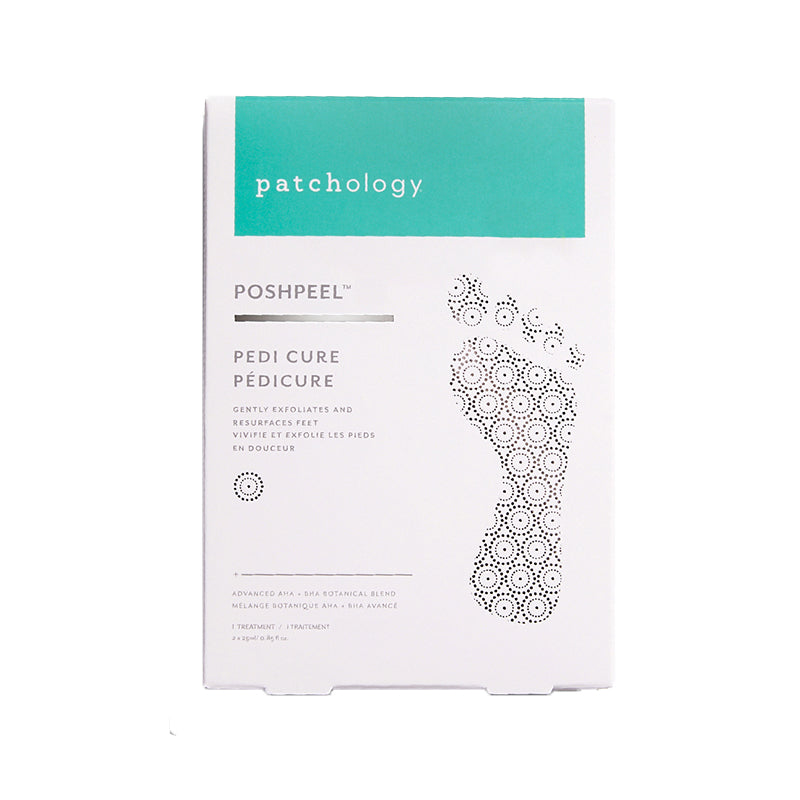
If you used a foot peel (like PoshPeel Pedicure) during summer, the transition is even more critical.
Foot peels work by chemically exfoliating dead skin cells. For the first 5–7 days after a peel, your skin sheds visibly, sometimes dramatically. For the next 2–3 weeks, your skin barrier is in recovery mode. During summer, this is manageable. Hydration is abundant. You're not putting your feet in closed shoes immediately. Air circulation helps.
But if you used a peel in late August or early September, the peeling phase extends into the fall season when your environment is suddenly drier. Your skin is shedding dead cells, your barrier is compromised, and fall humidity is gone. That's the perfect storm for extreme dryness and cracking.
The fix is strategic: stop the active exfoliation phase early enough that your skin recovers before closed-shoe season begins. And immediately shift to intensive hydration the moment the temperature drops.
The Transition Timeline (When to Stop, When to Start)
 Early September: If you're going to use a foot peel this summer, this is the cutoff date. A peel applied in early September gives you about 3–4 weeks of recovery before October weather changes kick in.
Mid-to-late September: Stop active exfoliation. No more pumice stones. No more foot files. No more peels. Your skin barrier needs time to recover before fall dryness hits. If you skipped peels entirely, this is still a good cutoff date to reduce your exfoliation frequency.
October 1 onward: Shift entirely to hydration mode. This is when you introduce intensive foot masks, occlusive creams, and barrier-support products.
October through March: Maintain hydration. This is a 6-month window where your feet are in closed shoes and exposed to dry air daily.
The Science: Why Feet Dry Out in Fall
Feet naturally have fewer oil glands than anywhere else on your body. This is evolutionary; your feet were designed for function and durability, not moisture retention. Your face has roughly 1,000 oil glands per square inch. Your feet have almost none.
Add fall conditions into the equation:
-
Indoor heating: It dries out the air and strips moisture from skin rapidly.
-
Closed shoes: No air circulation. Moisture can't evaporate naturally.
-
Temperature drop: Cold air is dryer air. Your skin's moisture barrier struggles to retain hydration.
-
Reduced humidity: Summer humidity (outdoor + perspiration) is gone.
The result? Your skin barrier weakens. Water evaporates faster from your skin cells. Dead skin cells build up because they're not shedding naturally. Cracks form in the heels and balls of the feet—the areas with the most pressure and the least flexibility.
Transitioning From Summer Exfoliation to Fall Hydration
Step 1: Stop Exfoliating (Now)
If you've been using a pumice stone or foot file weekly, you should reduce this exfoliating in the fall. Once a week is too much for fall. Switch to once every two weeks, then monthly once October starts.
If you used a foot peel 4+ weeks ago, you can still exfoliate gently, but only once. After that, pause for the rest of fall.
The goal is to let your skin barrier stabilize before closed-shoe season fully kicks in.
Step 2: Introduce Intensive Foot Masks (This Week)
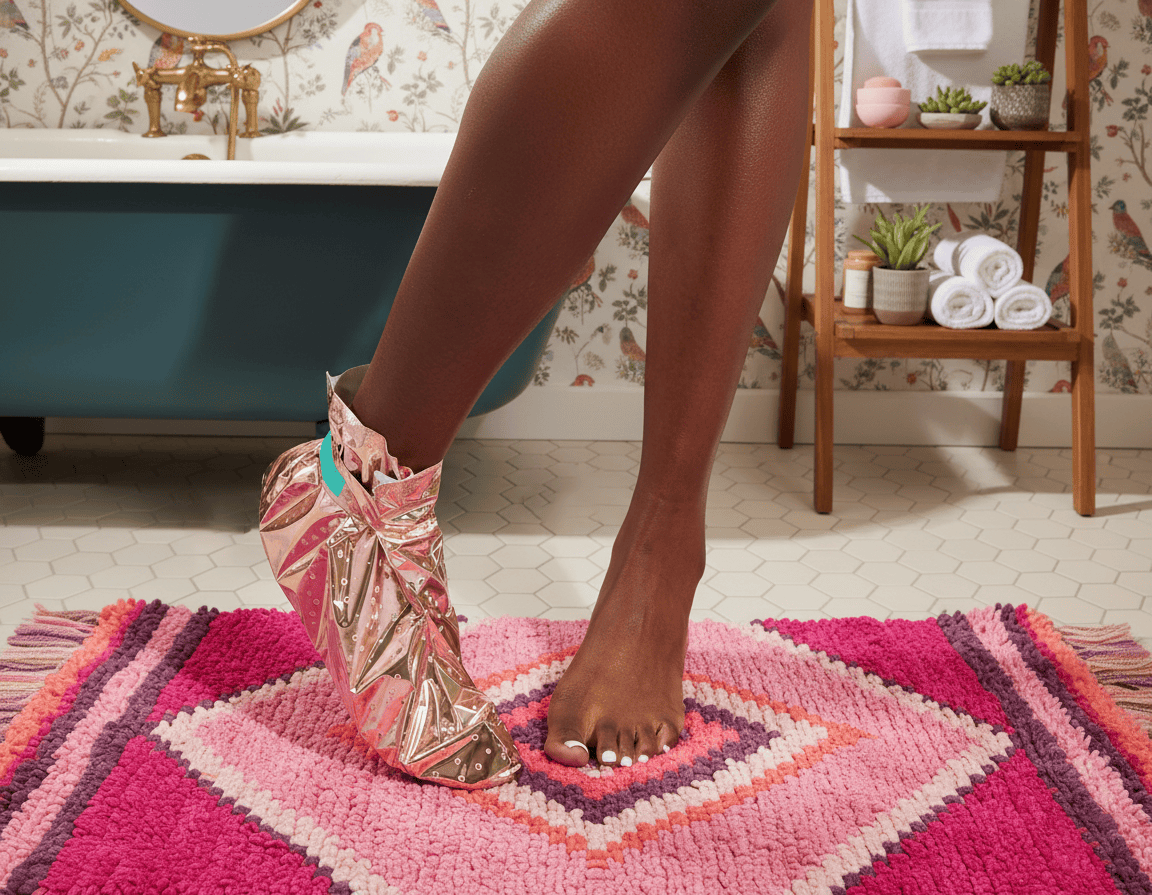
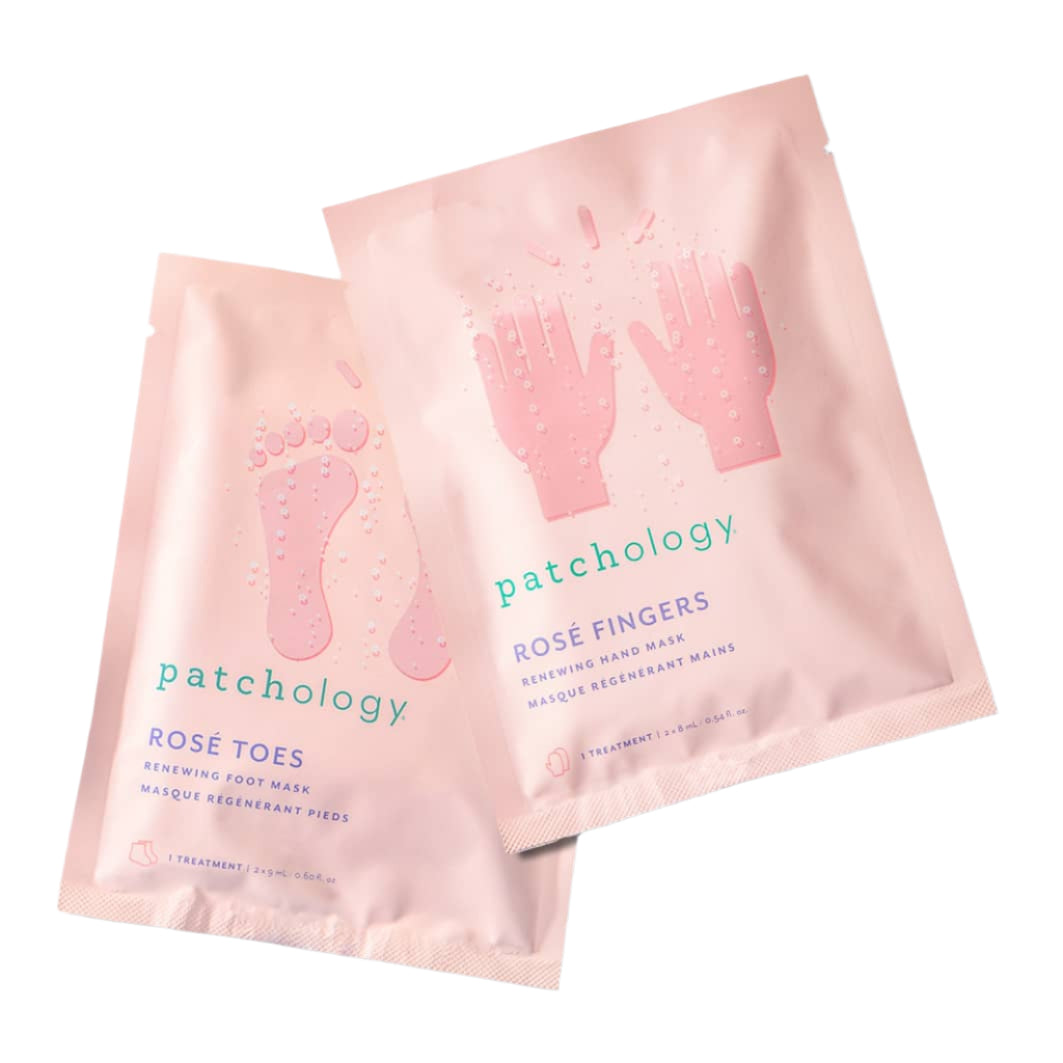
A foot mask is not a light lotion. It's an occlusive treatment designed to seal hydration into compromised skin. Rosé Toes Renewing Foot Mask is formulated with hyaluronic acid, shea butter, and glycerin—ingredients that pull moisture deep into the skin and keep it locked there.
Apply a foot mask 2–3 times per week during the transition window (late September into October). Use it at night before bed. Wear socks to lock in the moisture while you sleep. This is the non-negotiable step that prevents cracks.
Step 3: Daily Light Moisturizer (Ongoing)
After the foot mask absorbs, follow with a lightweight daily moisturizer on your feet. This prevents immediate moisture loss when you put shoes on in the morning. Think of it as a moisture seal.
Ingredients to look for: glycerin, urea (at lower doses acts as a humectant), shea butter, and ceramides.
Step 4: Weekly Gentle Maintenance (October Onward)
Once October hits and fall is officially here, your foot care routine should be:
-
Daily light moisturizer (morning + night)
-
Intensive foot mask 2–3 times per week (at night)
-
Zero active exfoliation (no pumice, no peels)
If cracks develop despite this routine, see a dermatologist. You might need a prescription-strength urea cream (20%+ urea acts as an exfoliant while hydrating).
Product Combinations That Work for the Transition
The "Peel Recovery" Combo (Weeks 1–3 of Transition):
This combo addresses the specific challenge: recovering from a peel while preventing fall dryness.
The "No-Peel" Transition Combo (If You Didn't Use a Peel):
-
Gentle foot soaks (warm water, no harsh scrubs) 1–2x weekly
-
Rosé Toes Renewing Foot Mask (2–3x weekly, at night)
-
Light moisturizer daily
This routine prevents the need for a peel by maintaining steady hydration and gentle exfoliation.
The "Prevention + Maintenance" Combo (November Onward):
-
Rosé Toes Renewing Foot Mask (2x weekly)
-
Daily moisturizer
-
Optional: One gentle foot peel in December (holiday gift to yourself, if your skin is stable)
Common Mistakes During the Transition
Mistake 1: Using a peel too close to fall. If you peel in late August, your skin recovers in time. If you peel in late September, you're still shedding when fall dryness hits. Timing is critical.
Mistake 2: Continuing heavy exfoliation into fall. Weekly pumice stone use feels good, but it's barrier-damaging in dry weather. Cut back immediately.
Mistake 3: Skipping the foot mask. A light lotion is not a foot mask. Foot masks are occlusive and designed to lock hydration into compromised skin. They're the MVP of the transition. Don't skip them.
Mistake 4: Not wearing socks after a foot mask. The mask's moisture evaporates within minutes if you expose your feet to air. Wear socks to lock it in while you sleep.
Mistake 5: Waiting until your feet crack before changing routines. By then, you're playing catch-up. The transition window is September–October. Use it.
FAQ
When should I stop using my summer foot peel routine?
If you used a peel in early September, give yourself 3–4 weeks of recovery before switching to hydration mode. If you used a peel in late August, you're fine—recovery is done by early October. Any peel applied after mid-September is too risky; wait until November if you want to use one again.
Can I use a foot peel and a foot mask at the same time?
No. Use the peel first (if you're going to use one), wait 3–4 weeks for complete recovery, then introduce the foot mask. They serve opposite purposes during the transition—exfoliation, then hydration. Do them sequentially, not simultaneously.
How often should I exfoliate my feet in fall?
Rarely. Once a month is ideal during the colder months. Some people can do twice monthly if their skin tolerates it, but weekly exfoliation is barrier-damaging in fall and winter. Save aggressive exfoliation for spring and summer.
What's the difference between a foot mask and foot lotion?
Foot masks are occlusive treatments with high concentrations of hydrating ingredients and are designed to lock moisture in overnight. Foot lotions are lighter and designed for daily, quick-absorbing application. You need both in your fall routine—mask at night, lotion during the day.
Will my feet still crack even if I follow this routine?
If you start the transition early (September), use a foot mask 2–3x weekly, and moisturize daily, cracks are unlikely. If cracks do develop despite this, they're usually from a deeper issue (severe dehydration, pressure points, lack of flexibility in that area). See a dermatologist for prescription-strength treatment.
Can I wear socks to bed every night without irritation?
Yes. Breathable cotton socks are fine. Pair them with a hydrating foot mask at night 2–3x weekly. On non-mask nights, you can skip socks or wear them without the mask. The socks just lock in moisture; they're not irritating on their own.
Is the transition period the same every year?
Yes. Every fall brings the same seasonal shift—humidity drops, temperatures fall, closed shoes return. Your foot care routine should follow the same transition: stop exfoliating in September, start intensive hydration in October, maintain through winter.
The Takeaway
Summer foot care and fall foot care are different projects. The transition window is September through early October. Stop exfoliating. Start using intensive foot masks 2–3 times weekly. Apply light moisturizer daily. Wear socks after your mask to lock in hydration. This simple shift prevents the dryness, peeling, and cracks that make fall foot care such a common problem.
If you used a foot peel this summer, timing is critical. Peel in early September so recovery is complete by October 1. Then transition immediately to hydration mode. This approach keeps your feet soft and comfortable through boot season and beyond.