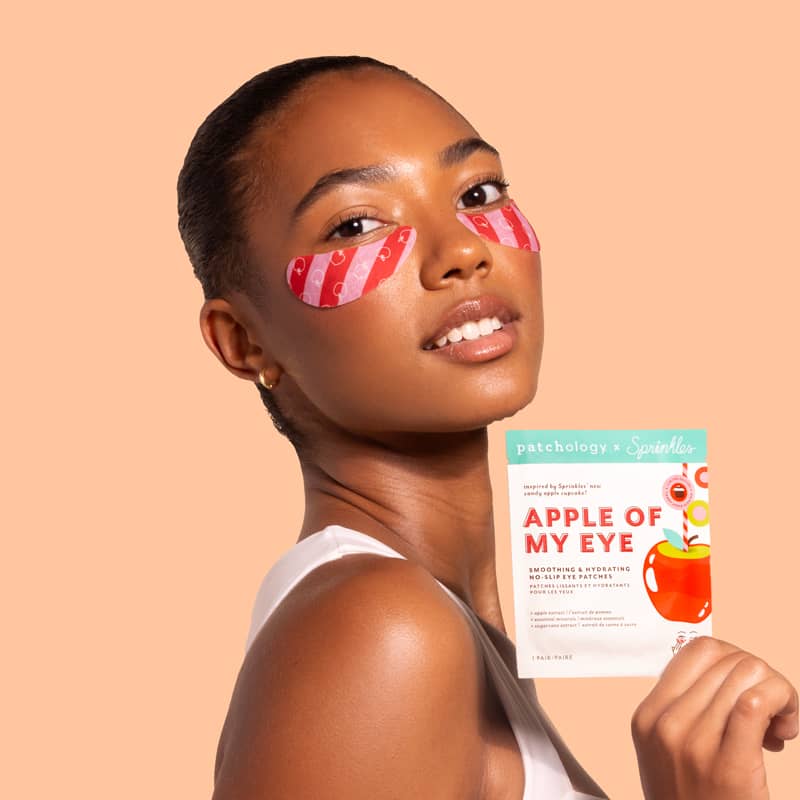



Your under-eye area is already working harder than any other skin on your face. It's thinner, more reactive, and constantly exposed to expressions, rubbing, and environmental stress. Add a depuffing concern into the mix, and suddenly every product feels like a gamble. One eye cream promises to de-puff, but halfway through the week your under-eyes are red and itchy. Another is so gentle it does nothing.
This is where most people with sensitive eyes get stuck: choosing between soothing the skin or actually tackling the puffiness. The good news is you don't have to pick. The right routine does both at once.
Sensitive Eye Depuffing
Why Sensitive Eyes React
Understanding the unique structure of under-eye skin and how depuffing products backfire
Patch vs. Gel
Which format is gentler for reactive skin and how to choose
Common Irritants
Ingredients hiding in depuffing products that trigger reactions
Step-by-Step Routine
A soothing de-puff routine built on barrier repair and protection
Soothing Ingredients
Ectoin, hyaluronic acid, and glycerin—what they do and why they work
FAQ
All your sensitive-skin eye questions answered
Why Sensitive Eyes React (And How Depuffing Usually Backfires)
The under-eye area is structurally different from the rest of your face. The skin is thinner, about 0.55 millimeters, making it the thinnest skin on your body. There are no oil glands there, so it has no natural sebaceous protection. That thin barrier is also more permeable, meaning irritants and allergens penetrate faster and trigger reactions more easily.
When you add a depuffing product on top of that already-reactive skin, you're often introducing actives that are designed to work fast: high-strength caffeine, retinol, chemical exfoliants, or essential oils. These ingredients can feel like a jolt to sensitive skin that's already compromised. The result is tightness, redness, or itching that defeats the whole purpose of trying to look more awake.
For people with chronically reactive skin—whether it's eczema-prone, rosacea-prone, or just triggered by fragrance and alcohol—the stakes are even higher. One wrong product can set off a flare that lasts days.

Understanding Your Eye Sensitivity
Not all sensitive skin is the same, and knowing which type you have changes how you approach depuffing.
Reactive sensitivity shows up when you use the wrong product. You apply something new, and within hours your under-eyes feel tight, sting, or turn red. Once you stop using that product, the reaction clears. This is usually triggered by specific ingredients: fragrance, denatured alcohol, high-percentage actives, or preservatives.
Chronic sensitivity is always there. Your under-eyes feel reactive most of the time, whether or not you're using new products. This often correlates with eczema, rosacea, or a fundamentally compromised barrier. It requires a different approach—one that prioritizes barrier repair first, depuffing second.
Seasonal sensitivity flares in specific conditions. Winter dry air, indoor heating, or sudden humidity changes trigger under-eye reactions. This is often a barrier-stress situation masquerading as product sensitivity.
The fix depends on which type you have. But across all three, the principle is the same: start with barrier support, layer in depuffing gently, and avoid anything with fragrance, alcohol, or heavy actives near the eyes.
Patch vs. Gel for Reactive Skin: The Honest Tradeoffs
There's a reason depuffing comes in two formats for under-eyes: hydrogel patches and gels applied with a fingertip. They work differently, and for sensitive skin, that difference matters.
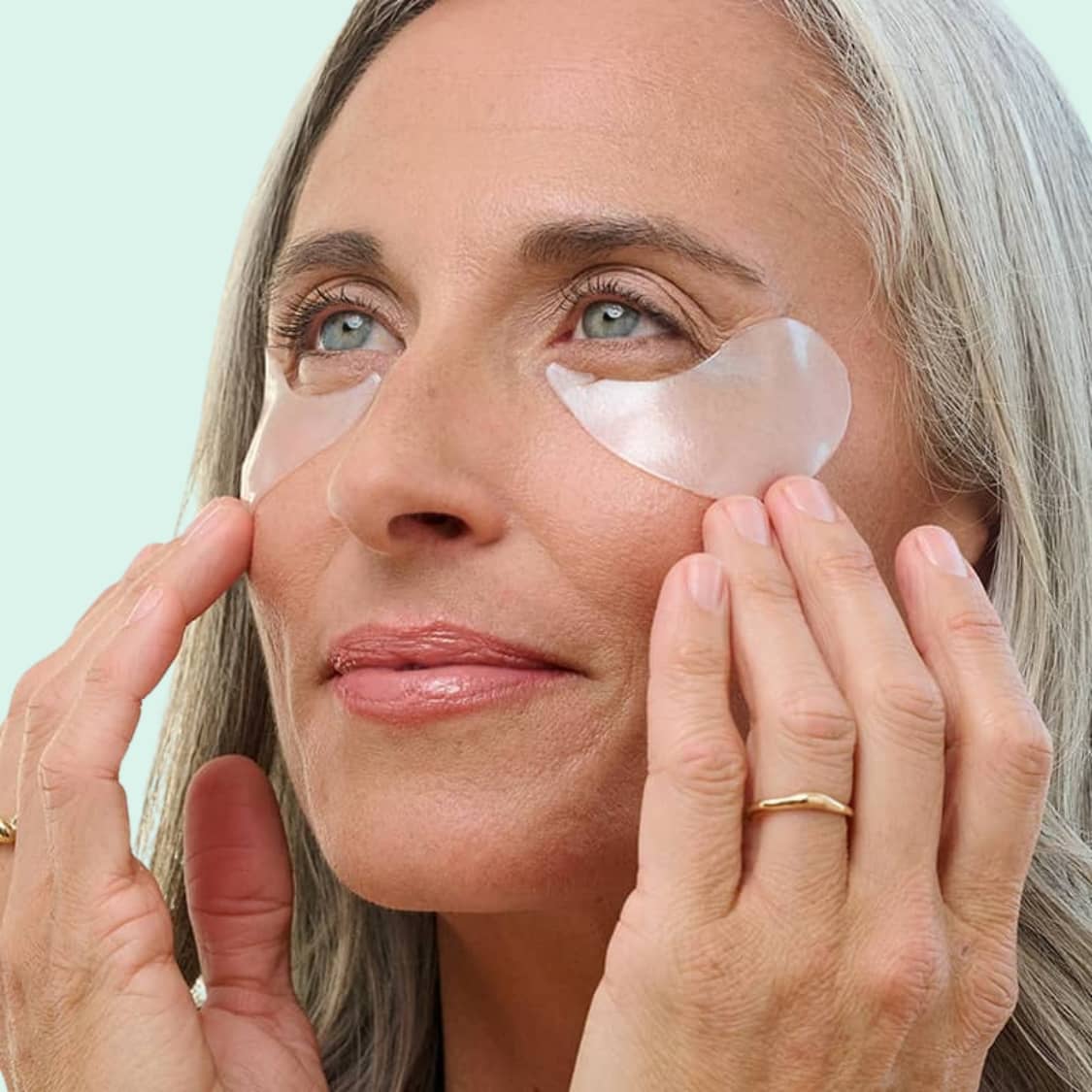
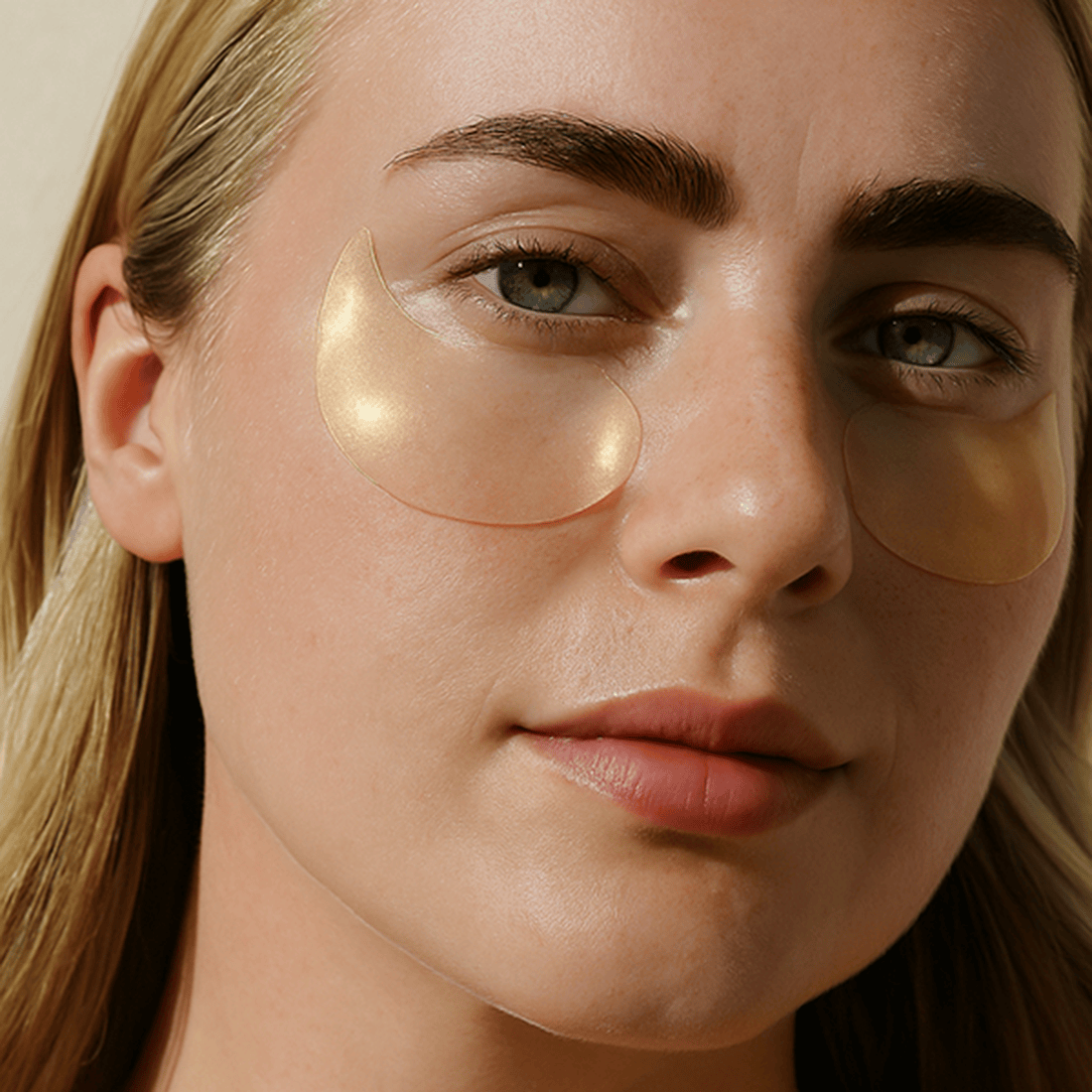
Hydrogel patches (like eye pillow or cool crush extra-depuffing patches) are single-use, pre-formulated, and require minimal handling. You press them on and leave them for 5–15 minutes. The advantages for sensitive skin are real: there's no guesswork about how much product touches your eyes, no repeated rubbing or tugging during application, and the cooling effect of the gel itself provides gentle de-puffing before any active ingredient even kicks in. The hydrogel format is also naturally hydrating, so you're not stripping moisture away while you're depuffing. The trade-off is that you're committed to the full formula—you can't customize or dial back the strength if it feels too strong that day.
Soothing eye gels (applied with a fingertip, like skin remedy soothing eye gels) give you control. You can use a tiny amount, test it on one eye first, or dial back frequency if needed. They're reusable, so you can incorporate them into your daily routine without commitment. The downside is that fingertip application means more contact and friction with already-reactive skin, and it's easier to accidentally use too much product or rub too hard during application. For sensitive skin, this requires discipline: pat, don't rub. Use less than you think you need. Treat the eye area like it's made of tissue paper.
For most sensitive skin, patches are the safer starting point. They remove variables and reduce handling. But if your sensitivity is tied to the specific ingredients in a patch formula (fragrance, preservative, or active strength), a customizable gel lets you control the dose.
Why Your Under-Eyes React to Depuffing Products
Before you add anything to your eye routine, understand what you're avoiding. These ingredients are common in depuffing products but are also the usual suspects in sensitive-skin flares:
Fragrance (synthetic or natural): Even "gentle" botanicals like lavender or chamomile essential oils can trigger burning, itching, or redness in sensitive under-eyes. If a product smells like anything other than its base (creamy, watery, or inert), fragrance is almost certainly in there.
Denatured alcohol (ethanol): Found in many serums and gels for texture and quick absorption. It's drying and irritating to already-thin, already-reactive under-eye skin. Look for products that avoid alcohol entirely, or at minimum avoid alcohol high on the ingredient list.
High-percentage actives: Caffeine at 5%+ can feel stimulating or even stinging. Retinol is too strong for daily under-eye use, especially for sensitive skin. Chemical exfoliants (AHAs, BHAs, PHA) are almost never appropriate for the under-eye area.
Preservatives: Parabens, phenoxyethanol, and some natural preservatives (like sorbic acid) can trigger reactions in sensitive skin. Not everyone reacts, but if your under-eyes are chronically irritated, this is worth investigating.
Physical texture: Anything grainy, beaded, or meant to be rubbed is a no-go. The under-eye area doesn't need exfoliation—it needs support.
The Soothing De-Puff Routine: Step by Step
Here's how to de-puff without irritation. The key is layering barrier support underneath your depuffing step, so you're always protecting as you're treating.
Step 1: Start with barrier support (morning or night)
Before any depuffing, apply playing defense or a gentle barrier-repair serum to the under-eye area. Focus on the lid and the inner corner where skin is thinnest. The job here is to stabilize your skin barrier and reduce baseline reactivity. Ectoin, hyaluronic acid, and glycerin are your allies—they hydrate and support without triggering. Let this layer set for 30 seconds before moving to the next step.
Step 2: Apply your depuffing patch or under-eye cream

Option A (patch): Press a hydrogel patch (Rejuvenating or Cool Crush) gently onto each eye. Keep it on for 5–15 minutes. You'll feel the cooling effect immediately, which helps reduce the appearance of puffiness independent of any active ingredient. Don't rub or move it around—just let it sit.
Option B (cream): Use a tiny amount—seriously, less than a pea. Pat (never rub) it gently with your ring finger across the under-eye area and the lid. Your fingertip should barely touch the skin. If it feels sticky or uncomfortable, you used too much. The feeling should be light and cool, not heavy.
Step 3: Pat in remaining serum
If you used an eye gel, after 5–10 minutes, gently pat any remaining serum into the skin with your ring finger (the weakest finger, so you apply less pressure). Your under-eye should feel hydrated, not tight.
Timing: How often is safe for sensitive skin?
With patches: 2–3 times per week is the sweet spot for sensitive skin. You're getting the benefit without over-relying on actives.

With creams: Daily use is usually fine if the formula is gentle enough. But if you're new to depuffing and your skin is reactive, start with 2–3 times per week and work up.
If your skin starts showing signs of irritation—redness, tightness, itching—pull back to once weekly or skip for a week entirely. Your barrier will thank you.
Soothing Ingredients That Actually Work
When you're building a depuffing routine for sensitive skin, these ingredients do the heavy lifting:
Ectoin: This is your barrier MVP. It stabilizes cell membranes and reduces transepidermal water loss (TEWL), which means it locks moisture in and reduces the appearance of sensitivity. It's also anti-inflammatory without being irritating. Eye pillow's ectoin-forward formula is specifically designed for this—gentle enough for daily use but effective at supporting barrier repair while you're tackling puffiness.
Hyaluronic acid: A humectant that pulls water into the skin and plumps the under-eye area visibly. For sensitive skin, this is non-irritating and pairs well with ectoin. It helps the under-eye look more hydrated and less hollow, which reduces the tired-looking appearance that often comes alongside puffiness.
Glycerin: An occlusive humectant that both hydrates and creates a protective layer. It's been used in skincare for decades and is considered one of the safest, most skin-soothing ingredients available. Pair it with ectoin and hyaluronic acid for a triple-hydration effect.
What to avoid (again): Fragrance, alcohol, retinol, strong actives, and physical exfoliants. Full stop.
Layering Skin Remedy for Sensitive Eye Support
If your sensitivity is chronic or triggered by barrier stress, the skin remedy system (which includes a mist, eye gels, and a face mask) is built to support sensitive skin comprehensively.
Calm Protect Mist (if using gels): A light hydrating mist like Skin Remedy prepares the under-eye area and reduces the need to apply gel heavily. Spray once, wait for it to dry, then apply your gel. This buffer reduces direct contact and irritation.
Soothing Eye Gels: The centerpiece. Apply Skin Remedy Eye Gels, effective in just 5-minutes to hydrate and soothe dry under-eyes, pat gently. The formula is fragrance-free and focuses on soothing and barrier repair rather than hard-hitting actives.
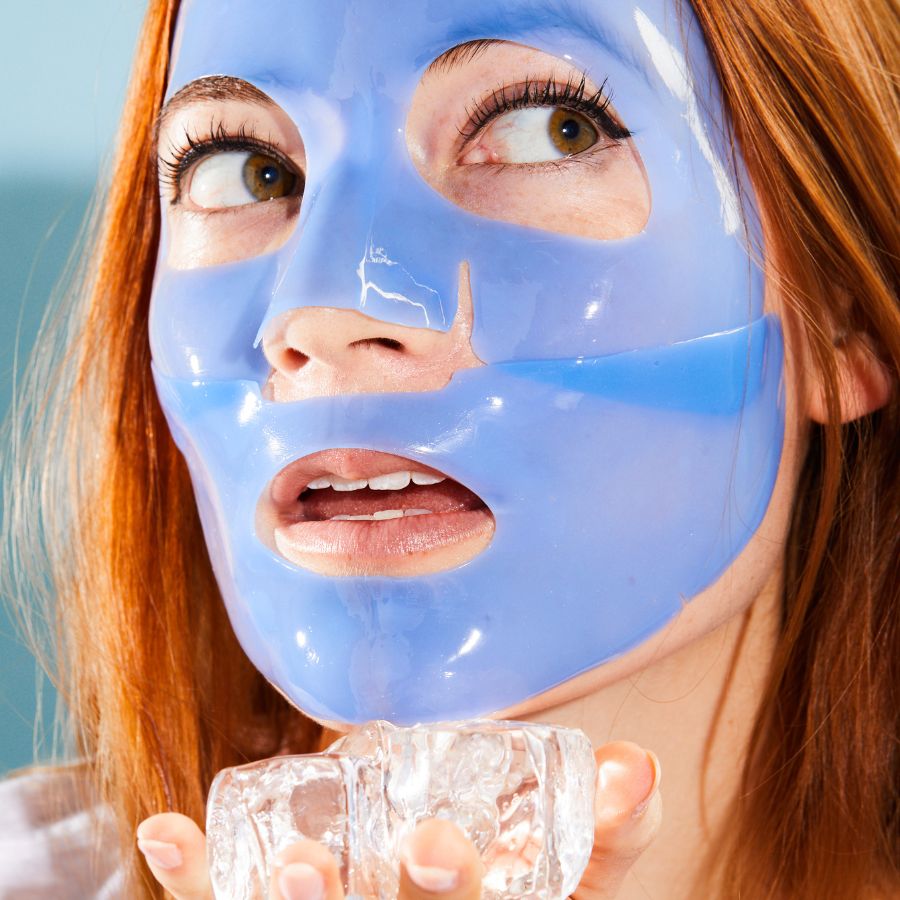
Barrier Boosting Sheet Mask (optional, 1–2 times per week): If your under-eyes are particularly reactive, use a full-face barrier mask once or twice a week. This gives your entire face—including the under-eye area—intensive barrier support. It's a reset when things feel irritated. Try the Skin Remedy Bundle.
The system approach works because each step reinforces the others. You're not relying on one product to do everything; you're building redundancy so if one step feels too strong, the others catch you.

FAQ
Why do my eyes react to some products but not others?
The under-eye area's thinness and lack of oil glands make it more permeable to allergens and irritants. A product that feels fine on your cheeks can trigger a reaction under your eyes because the barrier there is more compromised. Fragrance, alcohol, and high-percentage actives are the usual culprits. If one product causes a reaction and another doesn't, compare the ingredient lists and look for fragrance, preservatives, and actives—those are your clues.
Are eye patches safe for reactive or sensitive skin?
Yes, if you pick the right formula. Hydrogel patches designed for sensitive skin (like eye pillow or cool crush) are actually safer than fingertip-applied gels because they minimize handling and come pre-formulated, so there's no guesswork. The key is finding a patch that's fragrance-free, ectoin or hyaluronic acid-forward, and low in irritating actives. Start with 1–2 patches per week to see how your skin responds.
Which is gentler, patches or creams?
For most sensitive skin: patches. They require less handling, the cooling effect soothes as it works, and there's no room for user error in application pressure or amount. Creams and lightweight gels give you more control, but that also means more opportunities to irritate the area through heavy-handedness or overuse. If your sensitivity is tied to a specific ingredient (fragrance, a preservative), a customizable gel lets you test and adjust. But if you're not sure what's triggering your reactions, start with patches.
How often can sensitive skin use de-puffing products?
Patches: 2–3 times per week for sensitive skin is the standard. You're getting consistent benefit without over-relying on actives. If your skin tolerates that well for 2–3 weeks, you can experiment with adding a fourth application, but don't feel pressure to use them daily.
Lightweight Creams: Daily is fine if the formula is truly gentle (fragrance-free, ectoin or hyaluronic acid-based). But start with 2–3 times per week if you're new to depuffing or new to the product.
If you start seeing signs of irritation, redness that lingers, tightness, itching, drop back to once weekly or take a break entirely.
Can I layer soothing ingredients with active depuffing?
Yes. This is actually the smartest approach for sensitive skin. Layer barrier support first (playing defense or a gentle serum with ectoin), then your depuffing patch or gel. The barrier layer protects while the depuffing active works. This is the entire principle behind the skin remedy system—each step supports the last one.
Will my sensitivity ever go away?
It depends on the cause. Reactive sensitivity (triggered by specific products) usually improves once you identify and avoid the trigger. Barrier-stressed sensitivity often improves with consistent barrier support over weeks or months. Chronic sensitivity (eczema, rosacea) is lifelong, but it becomes more manageable with the right routine. The good news: even chronically sensitive skin can de-puff safely once you build the right routine around it.
The Takeaway
De-puffing sensitive under-eyes isn't about finding the strongest depuffing product. It's about building a routine where barrier repair is the foundation and depuffing is the layer on top. Start with patches over gels if you're new to this. Use barrier-support ingredients (ectoin, hyaluronic acid, glycerin) as your base. Avoid fragrance, alcohol, and heavy actives. And remember: less is more. Your under-eye skin will thank you