




Pro tips
How to Layer Your Skincare Like a Pro
- Thin to thick, always. Lightest, most watery formulas first, richest last. Water-based before oil-based.
- Pause between layers. Give each step about thirty seconds to a minute to absorb so products do not pill.
- Serum first, moisturizer second. Treat, then seal. Never the other way around.
- Vitamin C in the morning, retinoid at night. Keep your brightening and smoothing actives in separate parts of the day.
- Do not stack strong actives. Skip pairing a retinoid with exfoliating acids the same night to avoid irritation.
- Less is more. A few products used consistently beat a long routine you cannot keep up.
- Sunscreen goes last. In the morning, it is always the final skincare step before makeup.
If you have ever stood at the sink holding a serum in one hand and a moisturizer in the other, wondering which goes first, you are not alone. Layering is the part of skincare that trips people up the most, and the wrong order can mean your products do not absorb well — or simply do not do much at all.
The good news is that there is one simple rule that clears up almost all the confusion, and once you know it, you never have to guess again. Here is how to layer skincare the right way, step by step, including where serums, moisturizers, and active ingredients fit.
The Simple Rule: Thinnest to Thickest
Here is the whole secret: Apply your products from thinnest to thickest.
This means the most watery, lightweight formulas go on first, and the richest, heaviest ones go on last. Water-based products go before oil-based ones. That is the entire skincare layering order in a single sentence.
The correct order to layer skincare in the morning is:
- Cleanser
- Toner or hydrating mist
- Serum
- Eye cream or eye gel
- Moisturizer
- Sunscreen
At night, you follow the same thin-to-thick logic, swapping sunscreen for any richer treatments or actives. Everything below is just the why behind each step, so the order actually makes sense and sticks.
The Full Skincare Layering Order, Step by Step
1. Cleanser
Everything starts with a clean base. Cleansing removes the oil, sweat, and buildup from overnight or from the day, so whatever you apply next can absorb instead of sitting on top of a layer of residue. Use lukewarm water and a gentle, non-stripping formula like good day's juice cleanse (Detoxifying Double Cleansing Jelly) to avoid leaving skin feeling tight.
2. Toner or Hydrating Mist

This optional step preps and hydrates skin so the layers above go on smoothly. The hydrating crystal clear (Replenishing Mineral Micro Mist) is the easiest way to do it, adding a light layer of mineral moisture that helps the next products spread and absorb effortlessly.
Beyond your morning and evening prep, it is also a game-changer throughout the day—keep it at your desk or in your gym bag to instantly rehydrate tired skin mid-afternoon or restore moisture right after a workout.
If you want the full breakdown on where a mist fits and when it actually helps, we covered it in how to use a face mist in your routine.
3. Serum
Serums are the treatment step. They are the most concentrated formulas in your routine, and they belong here because they are usually thin and water-light, designed to absorb deeply into freshly prepped skin. This is where you target a specific goal, whether that is hydration, a brighter-looking complexion, or smoother-looking texture. Look for a lightweight serum with a fast-absorbing finish glow potion (Illuminating Superfood Serum), so it settles in cleanly before your next layer.
Pro-Tip: If you use more than one serum, apply the thinnest one first and give each a moment to sink in.
4. Eye Cream or Eye Masks

The under-eye skin is delicate, thin, and often needs its own dedicated step. The lightweight eye pillow (360° Brightening Plush Eye Cream) goes on after serum, helping the eye area look hydrated, smooth, and more awake. Gentle taps with your ring finger are all it takes.
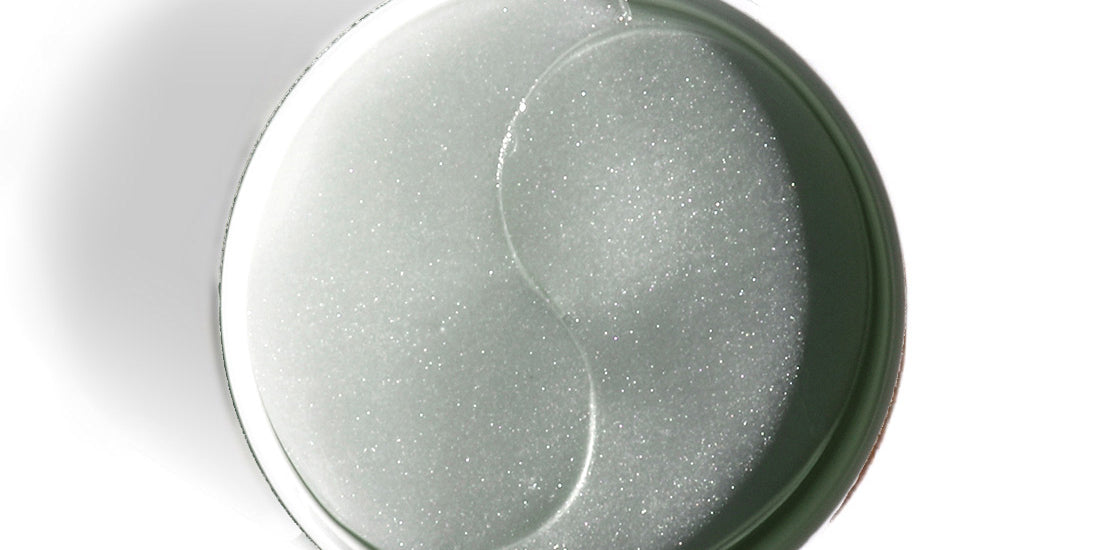
Pro-Tip: Layer your under-eye cream underneath a pair of Patchology eye gels for an ultra-plumping, hydrating boost.
5. Moisturizer
Moisturizer is the step that seals everything in. It locks the hydration and treatment layers beneath it against the skin and reinforces surface comfort, so nothing you applied evaporates away. A gel-cream texture like nine-to-five (Instant Wake-Up Morning Gel-Cream) works beautifully for most skin types in the morning, sitting comfortably under makeup or sunscreen. In the evening, you can reach for something richer (like the five-to-nine recovery balm). This is the point in the routine where you transition from treating to protecting.
6. Sunscreen (Morning Only)
In the morning, sunscreen is always the final skincare step, applied after moisturizer and before makeup. It needs to sit on top to form an even protective layer, so nothing goes over it except makeup. Never skip it, since daily sun protection is the single most effective habit for keeping skin looking its best over time.
Can You Layer Serum and Moisturizer?
Yes, and you should. Serum and moisturizer are a team, not an either-or. The serum goes first because it is the lighter, more concentrated treatment that needs to absorb into skin. The moisturizer goes second because its job is to seal that treatment in and keep skin comfortable and hydrated. Skipping the moisturizer can leave a serum to evaporate before it does much, and applying moisturizer first can block the serum from absorbing. Serum, then moisturizer, every time.
How to Layer Active Ingredients Without Irritation
Actives are the ingredients that do the heavy lifting, but they are also where most layering mistakes happen. A few simple guidelines keep them working without overwhelming your skin barrier:
-
Vitamin C: Helps brighten the look of skin and defends against daily environmental stress. It is a morning active. Apply it early in your routine at the serum step, then follow with moisturizer and sunscreen.
-
Retinoids: Helps smooth the appearance of fine lines and uneven texture. This is a nighttime active. They can be sensitizing, so introduce them slowly — just a couple of nights a week to start.
-
Exfoliating Acids (AHAs/BHAs): Helps refine the look of texture and unclog pores. Best used at night, and never on the same evening as a retinoid.
-
Niacinamide: Supports the skin barrier and helps improve the look of brightness. It is the easy-going active that plays well with almost everything, day or night.
-
Hyaluronic acid / Glycerin: Hydrating humectants that layer happily under anything, at any time of day.
Two rules make active layering foolproof: First, do not stack too many strong actives at once (more is not better). Second, give each layer a short moment to absorb before the next. If your skin ever feels tight, stinging, or reactive, scale back and focus on gentle, supportive steps. You can learn more in our guide to caring for a compromised skin barrier.

Morning vs Night Layering
The order stays the same, but the goal shifts.
-
Your morning routine is about protection: lightweight hydration, an antioxidant like vitamin C, and sunscreen to finish.
-
Your evening routine is about recovery and treatment: this is when richer moisturizers and actives like retinoids earn their place.
Think protect by day, restore by night, using the same thin-to-thick sequence both times.
Common Layering Mistakes to Avoid
A few quick things that quietly undo a good routine. Using too many products at once, which crowds skin and makes it hard to tell what is working. Not waiting between layers, so products pill or roll off. Applying oil-based products before water-based ones, which blocks absorption. Piling multiple strong actives into one session. And skipping sunscreen, which undoes much of the good the rest of your routine does.
Common Layering Mistakes to Avoid
A few quick things that quietly undo a good routine:
-
Using too many products at once: Crowds the skin and makes it hard to tell what is actually working.
-
Not waiting between layers: Causes products to "pill" or roll off the skin in little balls.
-
Applying oil-based products before water-based ones: Oils are occlusive and will block water-based serums from absorbing.
-
Piling multiple strong actives into one session: A fast track to a damaged skin barrier.
-
Skipping sunscreen: Undoes much of the good the rest of your routine works so hard to achieve.

Build It Into a Routine You Will Keep
The best layering order is the one you will actually follow, so keep it simple. A short, consistent sequence beats a long one you abandon by Thursday. If you want a ready-made version to follow, our good day collection lays out an easy, repeatable order you can make your own. Learn the thin-to-thick rule once, and the rest of your routine will naturally fall into place.
Frequently Asked Questions
What order do you apply skincare? Apply from thinnest to thickest: cleanser, toner or hydrating mist, serum, eye cream, moisturizer, and sunscreen last in the morning. Water-based products go before oil-based ones so everything absorbs properly.
Can you layer serum and moisturizer? Yes. Always apply serum first, since it is the lighter treatment that needs to absorb, then apply moisturizer to seal it in. Serum before moisturizer, every time.
How long should you wait between skincare layers? A short pause of about 30 to 60 seconds is enough for most layers to absorb before the next. Give richer or active formulas a little longer if the skin still feels wet.
What skincare actives should you not mix? Avoid using a retinoid and strong exfoliating acids on the same night, as the combination can irritate the skin. Vitamin C is best in the morning, while retinoids and acids suit the evening. Niacinamide and humectants (like hyaluronic acid or glycerin) layer safely with almost anything.


