


- Hydration: Fast-acting delivery
- Visible Results: 5–10 minutes
- Best For: Quick resets & puffiness
- Lasting Power: Penetrates deep
- Results Timeline: Days & weeks
- Best For: Routine support & barrier
Most people think you have to stick with eye cream or eye patches - and that they're competing solutions. Pick the patch for a quick fix, or stick with cream for the real work. But what if the actual answer is simpler? What if the fastest way to address tired eyes, puffiness, and dryness is to use them together?
This is the "yes and" that changes everything. Because eye patches and eye cream aren't opposites. They're different tools designed to solve the same problem on different timelines. And when you layer them, you get something neither one alone can deliver: immediate visible results plus lasting skin support.
That's exactly what we're walking through today. The combination of eye patches and eye cream isn't a complicated move or a waste of money. It's the smartest skincare strategy for anyone who wants both the reset they need right now and the skin health they need long-term.

What Eye Patches Actually Do (Beyond the 5-Minute Reset)
When you press an eye patch onto clean skin, you're not just getting a hydration hit. You're triggering an immediate visible transformation.
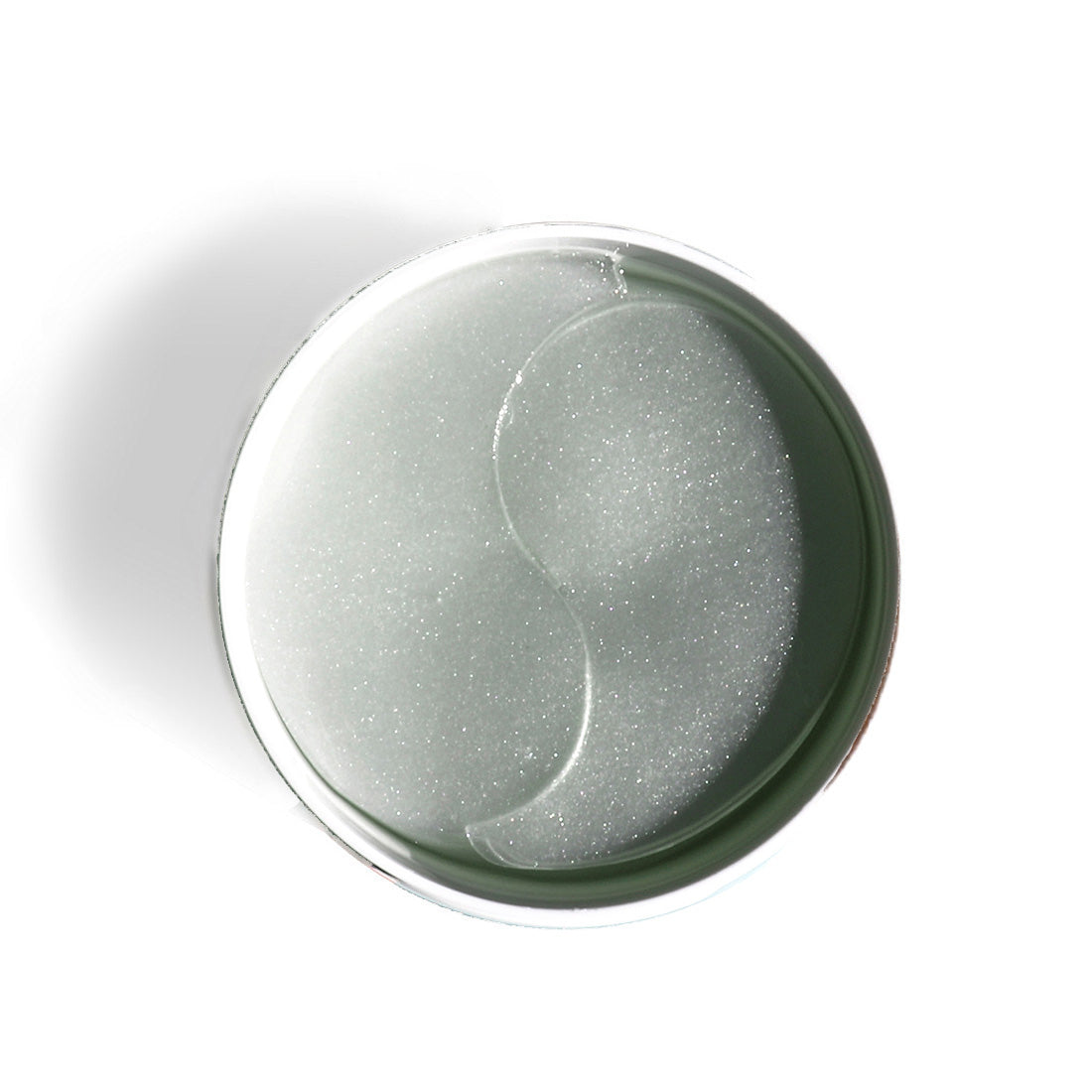
Eye patches work through direct, concentrated delivery. Whether it's a gel-based patch like the Eye Pillow or a caffeine-powered option like Cool Crush, the format allows active ingredients to saturate the delicate under-eye area fast. You'll feel it — that cooling sensation, the slight plumping of the skin, the smoothness you see when you catch your reflection. It's instant feedback on whether something is actually working.
This is what makes patches your go-to for quick results. They're designed to deliver hydration and targeted actives exactly where you need them, exactly when you need them. Five to ten minutes is all it takes to visibly minimize the appearance of puffiness or smooth fine lines. They're portable, single-use, and require zero fuss. No waiting. No complicated steps. No wondering if you're doing it right.
Why Patches Feel Like a Reset: The hydrocolloid or gel base creates an occlusive environment that lets moisture sink in fast. Your skin drinks it up. The cooling sensation comes from ingredients like ectoin or caffeine, which also help minimize the appearance of swelling and fatigue. The visual payoff is real. It looks and feels like your eyes got eight hours of sleep in under ten minutes.
But here's the catch: that visible plumpness is temporary. Patches are the espresso shot of eye care. Powerful, fast, and absolutely necessary when you need them. But they're not your 24/7 support system. They're not building long-term barrier strength or delivering deep hydration that lasts for days. They're doing one job well, and that job is the reset.
That's where cream comes in. And that's where the actual strategy starts.
What Eye Cream Actually Does (The Long Game)
Eye cream doesn't give you the instant gratification that patches do. You won't feel an immediate cooling sensation or watch swelling disappear in real time. There's no visible payoff in the first five minutes.
What you will get is penetration, staying power, and cumulative results.
A good eye cream works differently than a patch. It's formulated to sink into the skin layers (not just sit on top) and create a lasting seal. Peptides, hyaluronic acid, and other actives in a cream base have time to work deeper, which means they're addressing dryness, supporting your skin barrier, and helping minimize the appearance of fine lines over days and weeks, not minutes. The benefits compound. You use it consistently, and over time your eye area looks healthier, more hydrated, and more resilient.
Creams are your routine's anchor. Whether you're using Serve Chilled Rosé for morning brightness or Skin Remedy Soothing Eye Gels for sensitive skin support, eye cream is doing the quiet, behind-the-scenes work that keeps your eye area looking healthy and hydrated long-term. It's the product that actually changes your baseline. Not your emergency solution. Your everyday infrastructure.
Why Creams Are Your Routine Workhorse: Creams layer easily into any morning or night routine. They work under makeup without pilling. They're compatible with every skin type when you choose the right formula. And unlike patches, which you use occasionally when you need that boost, cream becomes part of your everyday ritual by default. It's the product you don't think about because it's always there.
The trade-off? Cream won't give you the visible 5-minute results that patches do. You might not notice anything in day one. But consistency is where creams win. Use it daily for a month, and your skin will respond with better elasticity, fewer signs of fatigue, and a more resilient barrier.
Here's Where It Gets Good: Why Both Together Works Better
This is the part that changes everything.
Patches and creams aren't competing. They're complementary. They solve different problems on different timelines, and when you layer them, you get something neither one delivers alone: immediate visible results AND lasting skin support. That's the "yes and."
Think of it this way: A patch hydrates and minimizes the appearance of puffiness or fatigue right now. A cream seals that hydration in and adds peptides and actives for lasting benefit. Together, you're getting the reset you need for this moment plus the support your skin needs for tomorrow and the next day and the week after that.
The texture difference actually helps. Patches are gel or hydrocolloid-based (lightweight, aqueous). Creams are emulsified (richer, occlusive). They don't compete for absorption. They complement each other. The patch preps and hydrates. The cream locks it all in and adds depth. According to research from Women's Health on layering skincare textures, water-based products followed by emulsified formulas increase penetration and lasting hydration.
And here's the part that makes this truly a "yes and" situation: there are no ingredient conflicts. You can use both without worrying about pilling, irritation, or wasting money on products that cancel each other out. They're designed to work together, not against each other.

How to Layer Patches + Cream — The Right Way
The order matters, but it's simpler than you think. There's no secret formula. Just two steps: patch first, cream after.
Step 1: Apply Eye Patch First
Start with clean skin. Press your patch directly onto the orbital bone (upper and lower lash line). Use the product that matches your goal: Eye Pillow for a hydration-first approach, Cool Crush if you're targeting puffiness, or On-Ice Eye Gels if you want brightening added to the mix.
Leave it on for 5–10 minutes. This is when you can shower, get dressed, scroll your phone, or do your makeup everywhere else. Let it work while you're doing other things.
You'll feel cooling and see visible plumping within the first minute or two. That's the serum doing its job. Don't skip this part. The sensory feedback matters. It means the ingredients are actually engaging with your skin.
Step 2: Gently Remove the Patch
Peel it back slowly. Pat in any remaining serum with your fingertip. Don't let it go to waste.
Wait 30 seconds (optional, but recommended). This gives the hydration a moment to settle into the skin before you add your cream layer. It's a tiny pause, but it matters.
Step 3: Apply Eye Cream
Use a rice-grain amount. Really, that's all you need. Tap it gently around the orbital bone using your ring finger (the weakest finger, best for the delicate eye area). Press it in gently rather than rubbing or tugging.
Now your cream locks in everything the patch just delivered and adds its own layers of benefit. If you're using Serve Chilled Rosé in the morning, you'll get that brightening boost plus barrier support. At night, this is when the real repair happens. Your skin has time to absorb the actives, and you're building barrier strength while you sleep.
Timing It Into Your Routine
Morning: Patch (while you're getting ready) then cream (final step before makeup). Total time: about 15–20 minutes. No rushing.
Night: Patch (before bed prep) then cream (final step). Sequential, totally flexible timing. You can do this whenever your routine allows.
Best Frequency: You can use patches daily if you want that consistent reset, or 2–3 times a week if you prefer. Cream? Use it every single day. Morning, night, or both. They work together, not against each other, so there's no "too much" here. Just consistency.
Which Patch + Cream Combos Actually Work Best Together
Not all combinations are created equal. Here's how to match your patch to your cream based on what you're trying to achieve.
For Puffiness & De-Puffing:
Pair Cool Crush (caffeine-powered de-puff) with Serve Chilled Rosé (cooling, depuffing cream). Caffeine plus cooling ingredients stack for maximum visible reduction. The combination targets swelling from two angles: caffeine constricts, while the cooling effect plus hydration minimizes appearance. Or try Flashpatch Rejuvenating for a gel alternative if you prefer a different texture.
For Hydration & Barrier Support:
Pair Eye Pillow (ectoin barrier support) with our Night & Day kit for complete support. Barrier repair plus lasting moisture for dehydrated or irritated skin. Ectoin works by supporting your skin's natural moisture-holding ability, so when you follow with a cream that seals it in, you're building real, lasting hydration infrastructure.
For Brightening & Luminosity:
Pair On-Ice Eye Gels (brightening hydration) with Serve Chilled Rosé (luminous, cooling finish). The texture contrast plus brightening ingredients layer beautifully without competing. The Eye-Tinerary kit pairs beautifully if you want a complete eye reset routine with multiple products.

Common Mistakes People Make (And How to Avoid Them)
Using cream first, then patch. This doesn't work. If you apply cream to clean skin first, it creates a moisture barrier that the patch can't penetrate. The patch needs direct contact with skin to deliver its hydration effectively. Always patch first.
Waiting too long between patch removal and cream application. You don't need to wait hours. The whole point is that they work together. Apply cream within a minute or two of removing the patch while the hydration is still fresh in your skin.
Using the same amount of cream as you would for your full face. Your eye area is delicate and smaller than you think. A rice-grain amount is genuinely enough. More product doesn't mean better results. It just means you're wasting product and potentially irritating your skin.
Assuming one product does everything, so you skip one. This is the biggest mistake. Patches deliver speed and visible results. Creams deliver lasting support. They're not redundant. They're complementary. Using both gives you benefits neither one alone can provide.
Frequently Asked Questions
 Q: Can I use eye patches and cream together in my routine?
A: Yes. Always apply the patch first (on clean skin), remove it after 5–10 minutes, and then apply cream. The patch hydrates and preps the area. The cream seals and extends those benefits. You can do this back-to-back in the morning or split them (patch AM, cream PM). Whatever fits your schedule works.
Q: Which goes first — patch or cream?
A: Patch first, always. Cream's occlusive properties lock in the hydration and actives from the patch. If you reversed it, the patch couldn't penetrate the cream barrier. One exception: if your skin is extremely reactive, patch first is still the safest approach.
Q: How often should I use eye patches if I also use eye cream every day?
A: Patches and cream don't conflict. Frequency is up to you. Some people use patches daily as part of their morning reset. Others prefer 2–3 times per week for an extra boost. Cream should be daily. Morning, night, or both. They're designed to work together at any frequency.
Q: Do I really need both an eye patch AND an eye cream, or is one enough?
A: One product works. Both work better. Patches give immediate visible results. Creams give long-term barrier support and ingredient benefits. Together, you're addressing tired eyes, dryness, and puffiness on two timelines. Faster visible improvement plus more resilient skin.
Q: What if my skin is sensitive? Can I still layer both?
A: Yes, but start low and go slow. Use patches 1–2 times per week initially, and pair them with a gentle cream formula like Skin Remedy Soothing Eye Gels. Test one product for a week or two before layering them together. Sensitive skin benefits from both hydration and barrier support. You're just introducing them gradually.
Q: Do eye patches work if I use cream first, or can I wear them under makeup?
A: Patches need direct contact with clean skin to work properly. Use your patch first (on bare skin), let it set, apply cream, and then do makeup. Cream under makeup is fine. Cream plays well with foundation. But patches should come first in your routine, before anything else on the eye area.
Ready to Start Layering?
The eye patch versus eye cream question has a simple answer: yes to both.
Your eyes deserve the quick reset that patches provide and the lasting support that creams deliver. Layering them isn't complicated. It's just smart skincare based on understanding what each product actually does and when to use it.
Ready to get started? Pick your combo below:
- Puffiness Focus: Cool Crush or Flashpatch Rejuvenating
- All-in-One Kits: :Eye-Tinerary or Night & Day
- Barrier + Brightening Focus: Eye Pillow + On-Ice Eye Gels