


A practical guide to using glycolic acid safely for smoother, brighter skin in cold weather
Glycolic acid often gets labeled a “summer-only” ingredient, but that reputation misses the bigger picture. Winter skin still deals with buildup, dullness, and rough texture—sometimes more than any other season. The key difference is not whether you exfoliate in winter, but how you do it.
When used thoughtfully, glycolic acid can help smooth, brighten, and refresh winter skin without compromising comfort. Understanding how this ingredient works, where it belongs in a cold-weather routine, and which areas of the body benefit most makes all the difference between healthy exfoliation and overdoing it.
Why Glycolic Acid Gets a Bad Rap in Winter
Cold air, wind, and indoor heating all contribute to dryness and sensitivity, which is why many people stop exfoliating altogether once winter hits. While the intention is good, skipping exfoliation completely can actually make skin look dull and uneven, and can prevent hydrating products from absorbing properly.
We're covered in an earlier Glycolic Acid Guide about how buildup from dead skin cells can accumulate year-round, even when skin feels dry. Gentle, controlled exfoliation helps clear that buildup so skin looks smoother and hydration works more effectively.
The problem isn’t glycolic acid itself—it’s using too much of it, too often, without supporting the skin barrier.
What Is Glycolic Acid?
Glycolic acid is an alpha hydroxy acid (AHA) derived from sugarcane. It has the smallest molecular size of all AHAs, which allows it to work efficiently at the skin’s surface by loosening the bonds between dead skin cells.
This process helps smooth texture, brighten tone, and improve the look of uneven skin over time. Because it works chemically rather than physically, glycolic acid can be more precise than harsh scrubs when used correctly.
Healthline explains that glycolic acid is best known for improving texture and radiance, especially when dullness is caused by surface-level buildup.
How Glycolic Acid Benefits Winter Skin
Winter skin often looks lackluster not because it needs more moisture, but because dry air slows natural cell turnover. This can leave dead skin cells sitting on the surface longer, making skin look rough and uneven.
Glycolic acid helps gently encourage renewal, which can restore brightness and smoothness while helping moisturizers and masks work more effectively. Byrdie notes that glycolic acid can improve skin clarity and glow when used at appropriate strengths and frequencies.
The key benefit in winter is moderation. Used sparingly, glycolic acid supports healthier-looking skin without stripping it.
How to Use Glycolic Acid Safely in Winter
In colder months, exfoliation should be less frequent than in summer. For many people, once a week is enough to maintain smoothness without stressing the skin. It’s also important to pair exfoliation with hydration and barrier-supporting products.
Avoid stacking multiple exfoliating ingredients at the same time, and pay attention to how your skin feels rather than following rigid rules. If skin feels tight, irritated, or sensitive, it’s a sign to pause and focus on repair.
A breakdown of common foot peel mistakes highlights how overuse and impatience can backfire when exfoliating, especially in dry conditions.
Physical vs Chemical Exfoliation: What’s the Difference?
Chemical exfoliation, like glycolic acid, works by dissolving the bonds that hold dead skin cells together. Physical exfoliation relies on gentle friction to remove surface buildup. Both can be effective when used appropriately.
In winter, controlled exfoliation tends to work best. That means avoiding aggressive scrubs and opting for tools or treatments designed to be gentle and intentional. Physical exfoliation can still have a place, especially when used sparingly to prep skin for hydration.
The most important factor is choosing the right exfoliation method for the right area of the body.
Patchology Picks: Smart Ways to Exfoliate in Winter
For the face, occasional gentle exfoliation helps smooth texture and prep skin for masks and serums without overworking the barrier.
Exfoliate Mate is designed to provide controlled physical exfoliation, helping lift away surface buildup while remaining gentle enough for mindful weekly winter use.
For feet, winter presents a different challenge. Thick skin, closed shoes, and dry air can lead to roughness that benefits from more intensive exfoliation.
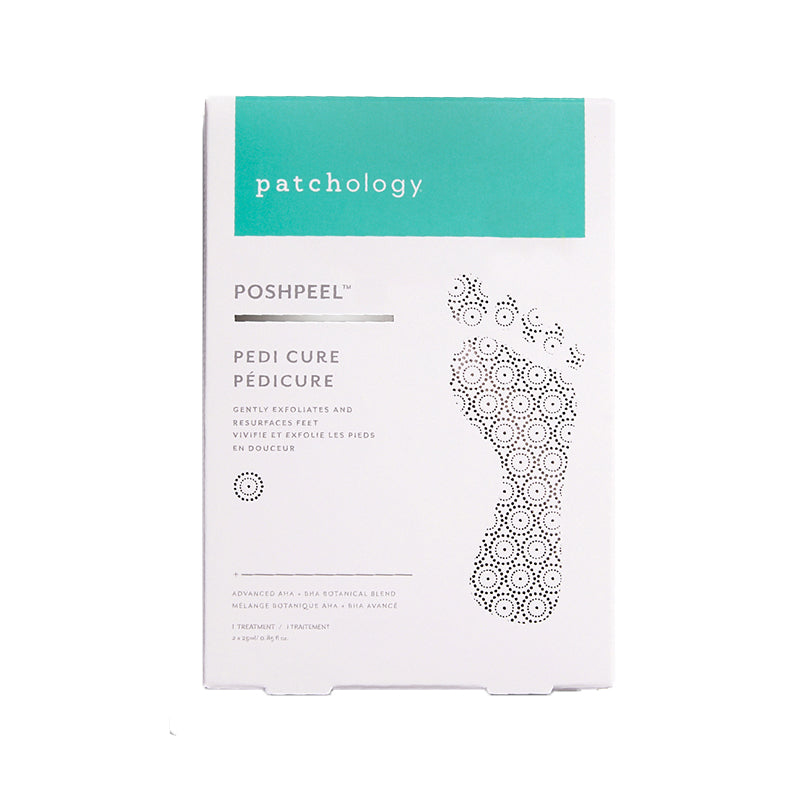
PoshPeel Pedi Cure uses glycolic acid and exfoliating acids formulated specifically for thicker skin on the feet. It delivers visible smoothing in a controlled, at-home treatment designed for comfort and effectiveness.

Who Should and Shouldn’t Use Glycolic Acid in Winter
Glycolic acid is well suited for skin that looks dull, rough, or uneven, especially when buildup is the main concern. It can be particularly effective on the body and feet, where skin is naturally thicker.
Those with very sensitive or compromised skin barriers should approach glycolic acid cautiously, focusing first on barrier repair before introducing exfoliation. Listening to your skin and adjusting frequency is more important than following trends.
FAQs: Glycolic Acid in Winter
Is glycolic acid safe to use in winter?
Yes, when used less frequently and paired with hydration and barrier support.
How often should I exfoliate during colder months?
For most people, once a week is sufficient for cleansers or sheet masks.
For Poshpeel we recommend use every 4-6 weeks. If you use PoshPeel too frequently or follow a pedicure too soon, you won't have enough skin to exfoliate your feet.
Can glycolic acid be used on the body year-round?
Yes. Areas like the feet tolerate stronger exfoliation than the face.
The Takeaway
Winter skin doesn’t need to skip exfoliation—it just needs a smarter approach. Glycolic acid can help smooth texture and restore brightness when used intentionally and paired with hydration.
By choosing targeted exfoliation tools like Exfoliate Mate for the face and PoshPeel Pedi Cure for feet, winter exfoliation becomes controlled, effective, and easy to maintain. When exfoliation works with your skin instead of against it, winter skin can look just as smooth and radiant as it does in warmer months.
More Expert Reads on Glycolic Acid
-
Healthline What Is Glycolic Acid?
Clear overview of glycolic acid, benefits, and safe use.
-
Byrdie Glycolic Acid Benefits and Uses
Explains results, who it’s best for, and routine tips.
-
Cleveland Clinic Five Ways to Exfoliate Your Skin Without Irritation
Practical frequency guidance to avoid over-exfoliating skin.